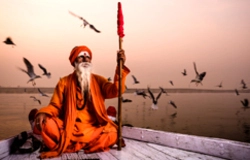


Adi Kailash Explained
Understand the sacred mountain, its names and spiritual meaning.
Read article
It is a widely known fact that Lord Shiva had manifested himself in the form of a Shiva Linga during the night of Aridra Nakshatra.
Read MoreEverything you need to plan the Adi Kailash pilgrimage with confidence — route map, day-by-day itinerary, Inner Line Permit, cost, weather, best time, altitude, accommodation and the sacred Om Parvat darshan.
The Adi Kailash Om Parvat Yatra is a Himalayan pilgrimage in the Vyas Valley of Pithoragarh district, Uttarakhand, taking devotees to the foot of Adi Kailash — revered as a form of Lord Shiva's abode and counted among the five sacred Panch Kailash peaks — and to a darshan of Om Parvat, the mountain where snow settles into a natural "ॐ" symbol. Both lie close to the Indo-Tibet border, which is why an Inner Line Permit is mandatory and the journey is tightly coordinated.
What used to be a gruelling 200-km trek is now, for most travellers, a road-based yatra: comfortable drives up to Dharchula, then 4x4 vehicles to the darshan points, with only short optional walks of 1.5 + 3km. This single change has opened the yatra to families, first-timers and many fit senior citizens — though the high altitude still demands respect and basic medical fitness.
This page is built to answer every practical question a pilgrim has before booking: how the route works, how many days it takes, what the permit involves, what it costs, when to go, who can join, and what most travellers get wrong. Where a topic deserves its own deep-dive, you'll find a link to a focused guide.
Compiled by the Pilgrimage Tour operations team in Delhi with on-ground coordinators in Pithoragarh and Dharchula. Figures below are reviewed each season; regulations, permit rules and prices can change, so always confirm the latest before you travel.
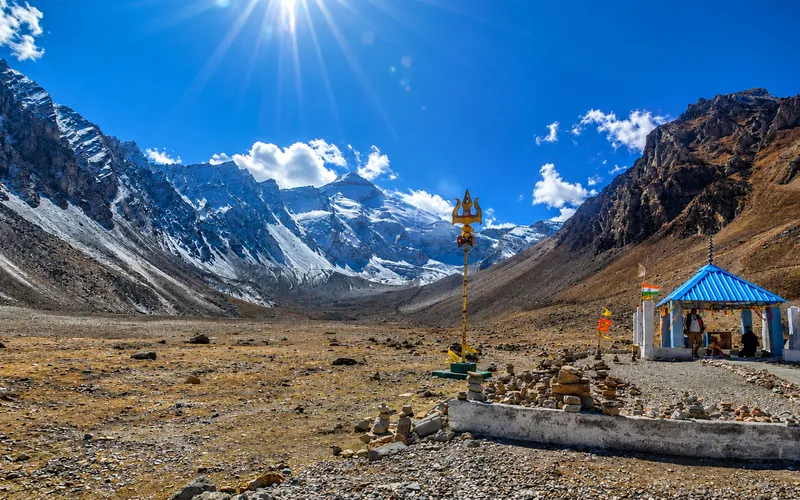
The Adi Kailash Om Parvat Yatra is a 5–10 day Himalayan pilgrimage in Pithoragarh, Uttarakhand, running from May to October. It is moderate in difficulty and now largely vehicle-based. The highest darshan area is around 4,500 m (about 14,800 ft). An Inner Line Permit is mandatory for Indian citizens; foreign nationals are not permitted.
| Fact | Details |
|---|---|
| Location | Pithoragarh, Uttarakhand — Vyas Valley, Kumaon · Indo-Tibet border |
| Duration | 5–7 days from Kathgodam · 7–10 days from Delhi |
| Difficulty | Moderate · mostly by vehicle · about 1.5+ 3Km walks |
| Best Time | May–June & September–October; avoid July–August monsoon |
| Highest Darshan Area | Approximately 4,500 m / 14,800 ft at Jolingkong and Parvati Sarovar |
| Om Parvat Peak | About 5,590 m — darshan from Nabhidhang |
| Permit Required | Inner Line Permit (ILP) — mandatory · Indian citizens only |
| Ideal For | Pilgrims, families, fit seniors and first-timers, generally ages 10–70 |
| Nearest Airport | Pantnagar (PGH), followed by road travel to Kathgodam |
| Nearest Railhead | Kathgodam (KGM), where most yatras begin |
| Foreign Nationals | Not permitted in the restricted border zone |
| Season Window | Approximately 1 May–31 October, snow and road conditions permitting |
Adi Kailash — also called Chota Kailash, Shiva Kailash, Baba Kailash or Jonglingkong Peak — is a sacred mountain in Pithoragarh, Uttarakhand, revered as an earthly abode of Lord Shiva and Goddess Parvati. Its resemblance to Mount Kailash in Tibet and its place among the five Panch Kailash make it one of India’s most significant Shaivite pilgrimages.
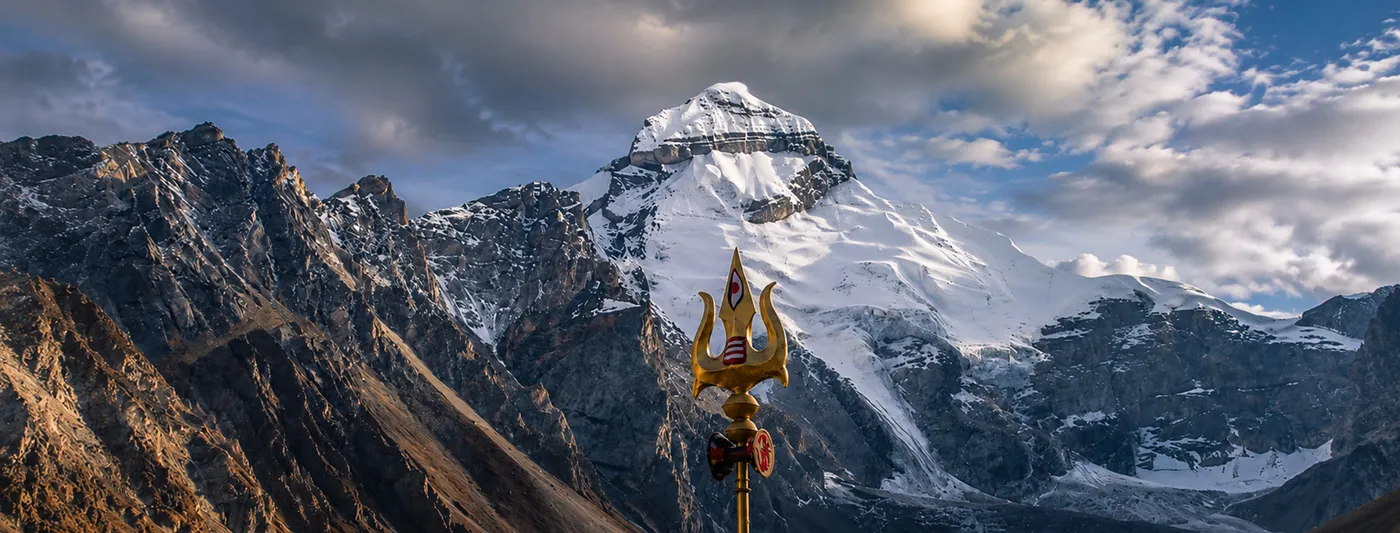
Adi Kailash sits near Kuti, among the last villages of Kumaon. It is one of the Panch Kailash — Kailash Mansarovar, Adi Kailash, Kinnaur Kailash, Shrikhand Mahadev and Manimahesh — and is widely regarded as second in significance to Mount Kailash itself.
In Hindu belief, Adi Kailash is the abode of Lord Shiva with Parvati, Ganesha and Kartikeya. The Puranic tradition says Shiva and Parvati halted here on their way to Triyuginarayan for their marriage, and that Parvati learned yoga from Shiva, the Adiyogi, in this region. Kuti village is linked to Kunti, mother of the Pandavas, and a ruined “Pandava Fort” still stands on the route.
The peak closely mirrors the dome-like, solitary form of Mount Kailash in Tibet, which is why devotees call it Chota Kailash, or “Little Kailash”. For pilgrims unable to undertake the harder and costlier Kailash Mansarovar Yatra, Adi Kailash offers a deeply meaningful darshan entirely within India.
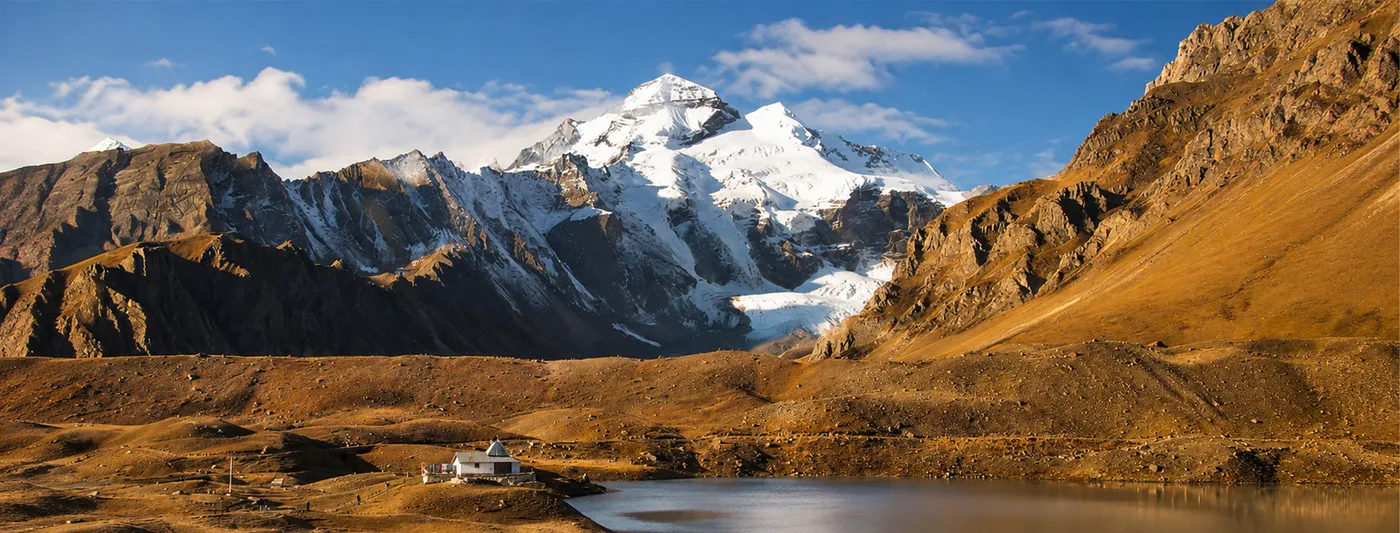
Darshan is taken from Jolingkong and the sacred Parvati Sarovar, not from the summit. Climbing Adi Kailash is prohibited; the experience is one of reverence and viewing, not conquest.
Om Parvat is a Himalayan peak of about 5,590 m near the Indo-Tibet border where snow naturally settles into the shape of the sacred “ॐ” symbol. Pilgrims view it from Nabhidhang on the historic Kailash Mansarovar route. The unusual clarity of the formation is widely regarded as a divine sign.
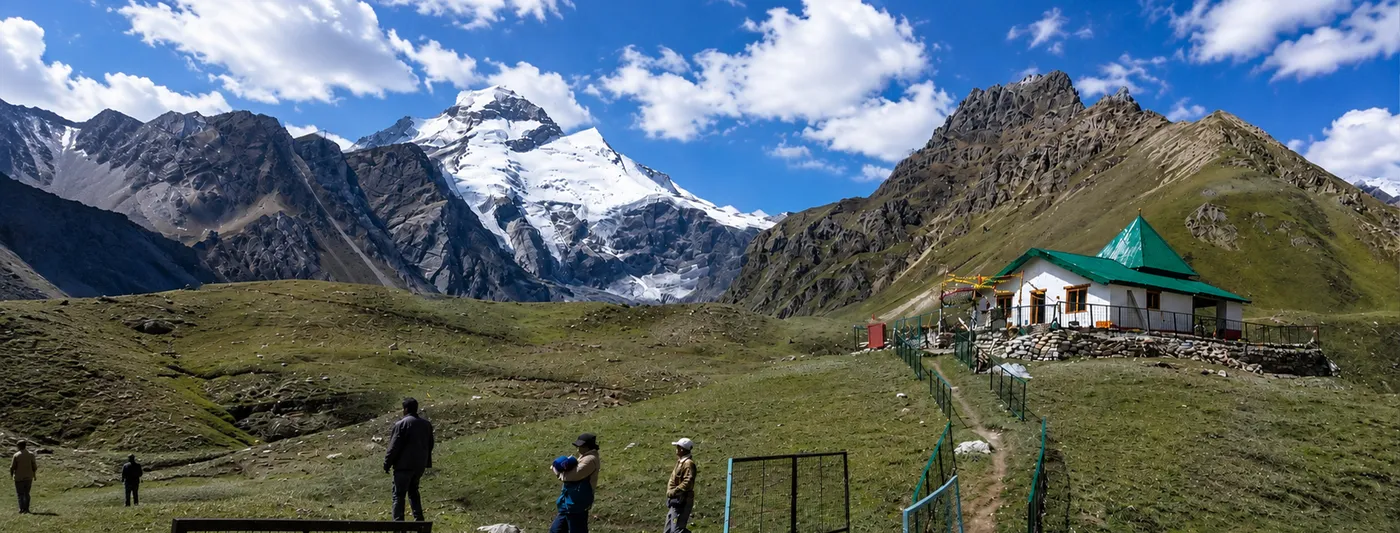
Seasonal snow settles in the crevices of the dark rock face to form a remarkably distinct ॐ. Pilgrims regard the sight as a blessing and a divine signature on the Himalayan landscape.
The formation is created by the interplay of rock contour and snowfall, so its sharpness changes with the season and weather. Early-season snow may show the symbol fully, while fresh snow or late-season melt can alter its appearance.
Darshan is taken from Nabhidhang, near Kalapani. The area is linked locally to the “navel” of Goddess Parvati and is the emotional high point of the journey for many yatris.
Om Parvat can remain hidden for hours or days. Early-morning darshan offers the best chance, and a flexible buffer day is useful insurance against a no-view day.
Adi Kailash offers a Mount-Kailash-like darshan within India, requiring an Inner Line Permit instead of a Chinese visa, at a lower cost and with far less trekking. For pilgrims seeking Shiva’s blessing without the expense and complexity of the Tibet yatra, Adi Kailash is the natural choice.
| Feature | Adi Kailash (India) | Kailash Mansarovar (Tibet) |
|---|---|---|
| Country | India, Uttarakhand | Tibet, China |
| Document needed | Inner Line Permit | Chinese visa + MEA process |
| Typical cost | Lower, road-based packages | Much higher |
| Travel days | 6–10 days | 2–3 weeks |
| Physical demand | Moderate · mostly vehicle-based | Hard · high-altitude trekking |
| Foreign nationals | Not permitted in restricted zone | Permitted through the required process |
| Spiritual standing | Among the five Panch Kailash | The principal Mount Kailash |
Both are sacred and suit different pilgrims. Many devotees who cannot secure a Mansarovar slot, or who want a gentler journey, find Adi Kailash deeply fulfilling, and some complete both pilgrimages over time.
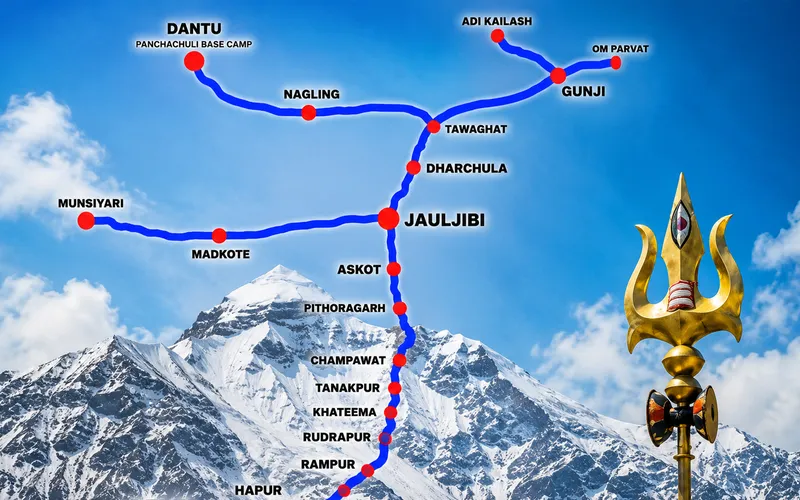
The standard route runs Delhi → Kathgodam → Pithoragarh → Dharchula → Gunji/Nabi → Jolingkong for Adi Kailash and Nabhidhang for Om Parvat. Dharchula is the permit and gateway town; beyond it, travel is by 4x4 along the Kali River valley through multiple checkposts. The gradual climb also supports acclimatisation.
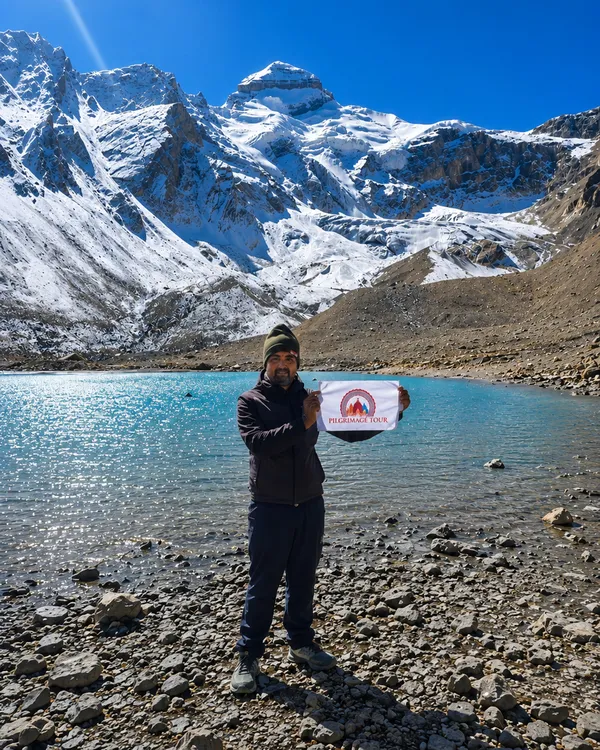
Good operators time the ascent so you sleep low and climb gradually. This staged altitude gain is your best defence against altitude sickness. Be cautious of rushed itineraries that push travellers to the highest points too early.
A typical 7-day Adi Kailash Om Parvat Yatra from Delhi covers Kathgodam, Pithoragarh and Dharchula on the way up, two nights around Gunji/Nabi for darshan of both sacred peaks, and a relaxed descent through Patal Bhuvaneshwar. Kathgodam-start versions usually run 5–7 days. Exact stays vary with the operator, weather and road conditions.
Depart Delhi for the Kumaon foothills. Arrive at Kathgodam or Haldwani, meet the ground team and rest. Some packages use an overnight train.
Enjoy a scenic mountain drive with stops at Kainchi Dham, associated with Neem Karoli Baba, and the ancient Jageshwar Dham Shiva temples. Overnight in Pithoragarh.
Drive to Dharchula on the Kali River. Inner Line Permit, medical and police formalities are completed here. Continue via Chhiyalekh, Garbyang and Budhi beside the Nepal border, crossing multiple army and ITBP checkposts. Check in to a Gunji or Nabi homestay at about 3,200 m for acclimatisation.
Drive to Jolingkong through Kuti village and the Pandava Fort. A short walk of about 2 km leads to Parvati Sarovar with clear Adi Kailash darshan. Perform puja and, if fit, continue towards Gauri Kund. Return to Gunji or Nabi.
Start early for Om Parvat darshan at Nabhidhang via Kalapani. After viewing the natural ॐ formation, begin the descent and return towards Dharchula for the night.
Descend to lower altitudes and visit the remarkable Patal Bhuvaneshwar limestone cave temple. Continue for the overnight stay.
Drive back to Kathgodam for the onward train or road journey to Delhi. Most itineraries keep a buffer day in reserve for weather-related changes.
Do not treat the buffer day as optional or book a tight return ticket. Mountain weather can shift plans by a day, and a non-flexible booking can turn a small delay into a missed flight or connection.
Road-based Adi Kailash Om Parvat packages generally range from about ₹21,000 to ₹45,000 per person ex-Kathgodam, depending on group size, vehicle, accommodation and inclusions. Delhi-start and private or premium plans cost more. Helicopter darshan packages are separate and significantly higher. The Inner Line Permit fee is approximately ₹500 per person.
| Package Type | Approx. Cost / Person | Typically Includes |
|---|---|---|
| Budget / group, ex-Kathgodam | ₹21,000–₹28,000 | Shared 4x4, homestays, breakfast and dinner, permit assistance |
| Standard | ₹28,000–₹38,000 | Better stays, smaller groups, guide and most meals |
| Deluxe / Delhi-start / private | ₹40,000–₹60,000+ | Private vehicle, upgraded stays, flexible pacing and full support |
| Helicopter darshan | ₹1,40,000+ | Aerial darshan from Pithoragarh, minimal trekking and weather-dependent operations |
What changes the price most: the starting point, group size, accommodation grade and vehicle choice. A private Innova or Bolero and upgraded stays cost more than a shared departure using standard homestays.
Adi Kailash and Om Parvat lie in a restricted Indo-Tibet border zone, so an Inner Line Permit is mandatory beyond Dharchula. It is issued through the SDM office in Dharchula and is available only to Indian citizens. Travellers need a government photo ID, passport-size photos, a medical fitness certificate and, in many cases, police verification.
The permit records your name, age, permit number and the number of days allowed beyond Dharchula. It is checked at multiple army and ITBP checkposts along the route to Gunji, Jolingkong and Nabhidhang. Group verification can take 15–20 minutes at a post, so keep IDs and photocopies accessible.
An operator with a direct Dharchula liaison can pre-process documents and save a full day of paperwork. Prepare documents at least 7–10 days before departure in peak season.
The best time for the Adi Kailash Om Parvat Yatra is May–June and September–October, when skies are clearest and roads are more reliable. July–August monsoon brings landslides and cloud-hidden peaks and is best avoided. The season generally runs from about 1 May to 31 October.
| Month | Rating | What to Expect |
|---|---|---|
| May | Excellent | Season opens with crisp views, cold nights and possible early-season snow at Jolingkong. |
| June | Excellent | The sweet spot: sunny days, good darshan conditions and suitable weather for short walks. |
| July | Avoid | Monsoon, landslides, unpredictable roads and clouded peaks. |
| August | Avoid | Highest monsoon risk; Om Parvat may remain hidden for days. |
| September | Excellent | Post-monsoon clarity, transparent skies and the beginning of chilly winds. |
| October | Good | Beautiful but very cold, with frost and freezing nights around Gunji. |
Pack for sub-zero nights even in summer. Temperatures at Jolingkong can drop sharply after dark, so thermals, layered clothing and a windproof jacket matter more than bulky luggage.
Beyond Adi Kailash and Om Parvat, the yatra connects Parvati Sarovar and Gauri Kund near Jolingkong, the border town of Dharchula, the high villages of Gunji, Nabi and Kuti, and en-route highlights including Kainchi Dham, Jageshwar Dham and Patal Bhuvaneshwar.
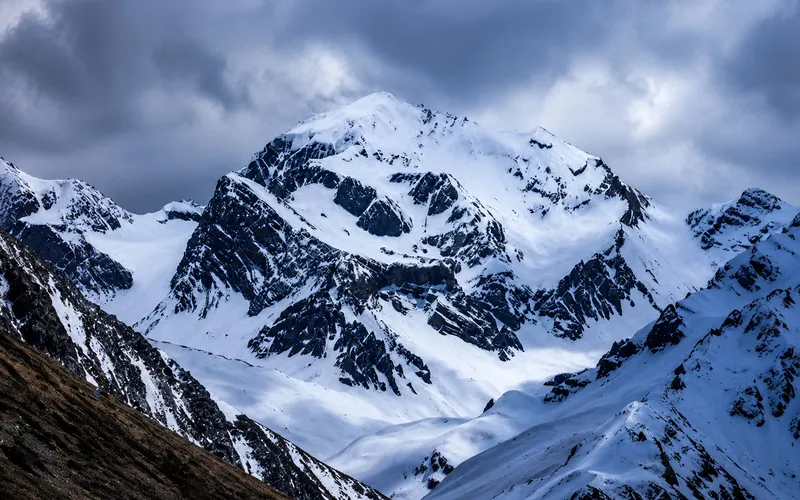
The peak with the natural “ॐ” symbol; darshan from Nabhidhang and a spiritual high point of the yatra.
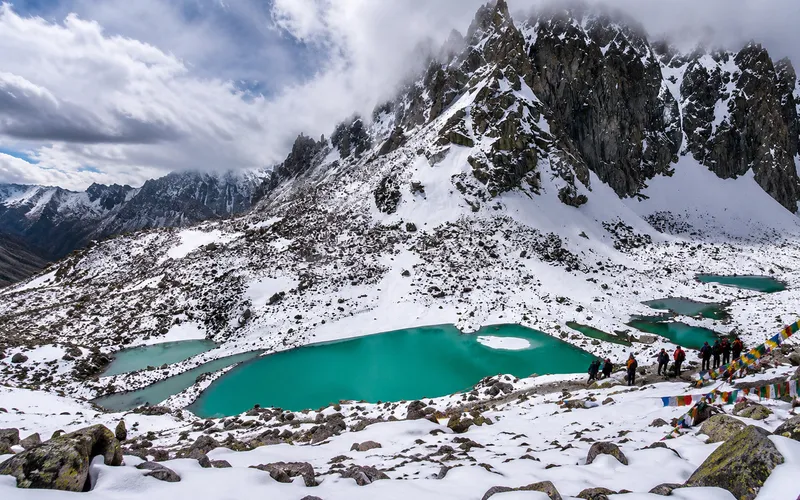
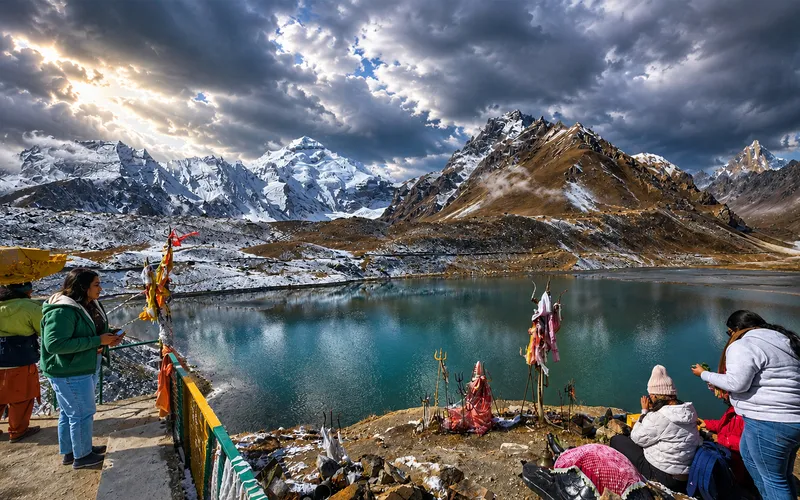
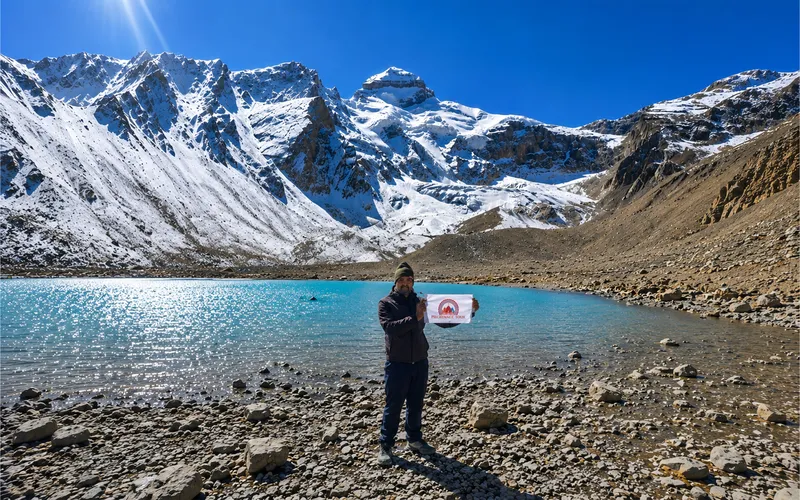
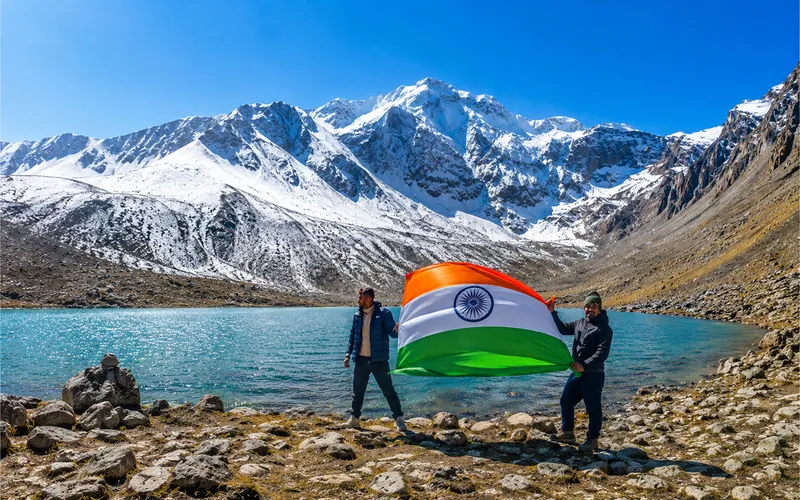
Sacred glacial lake near Jolingkong with a direct view of Adi Kailash and a short walk from the vehicle point.
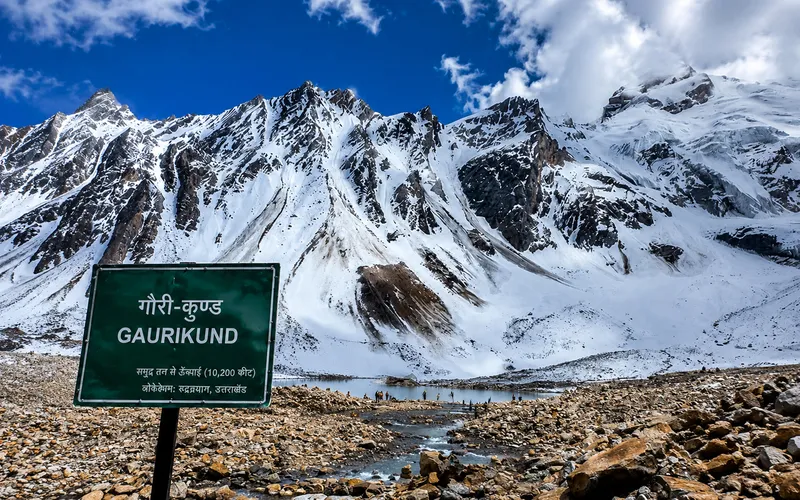
A holy water body associated with Goddess Parvati and an optional extension for physically fit travellers.
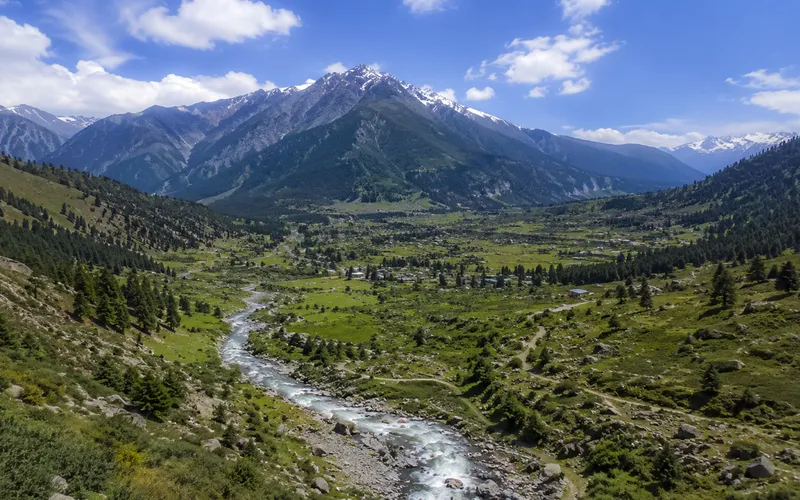
The permit hub and border gateway on the Kali River, with the last reliable ATM and shopping facilities.
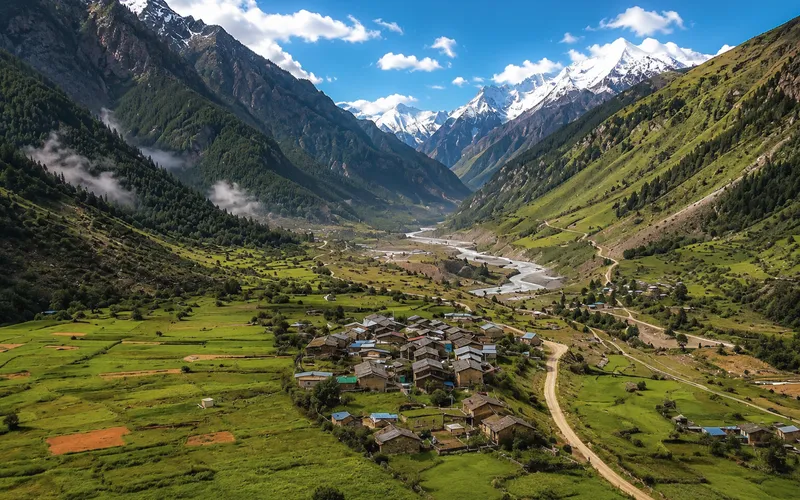
A high-altitude staging base for acclimatisation, homestays and onward journeys to both darshan sectors.
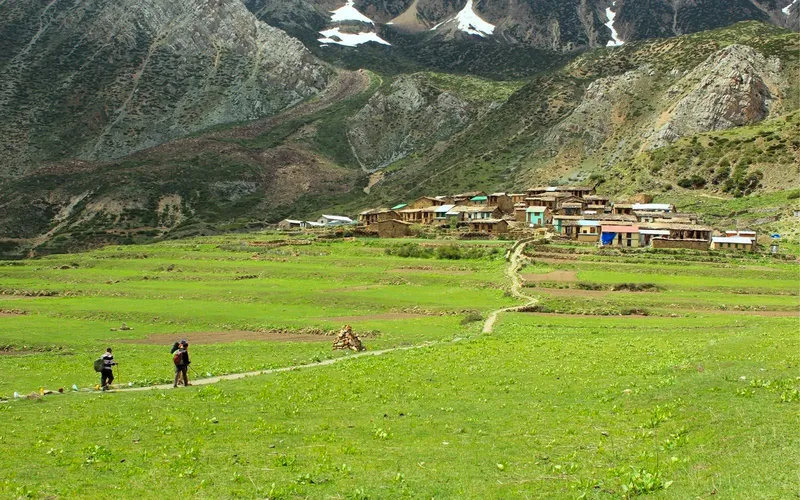
One of Kumaon’s last villages, linked to Kunti and the Pandava traditions on the approach to Jolingkong.
A traditional Bhotiya settlement used as a peaceful overnight and acclimatisation stop in the Vyas Valley.
The principal Adi Kailash darshan zone near Parvati Sarovar and the highest major halt on the circuit.
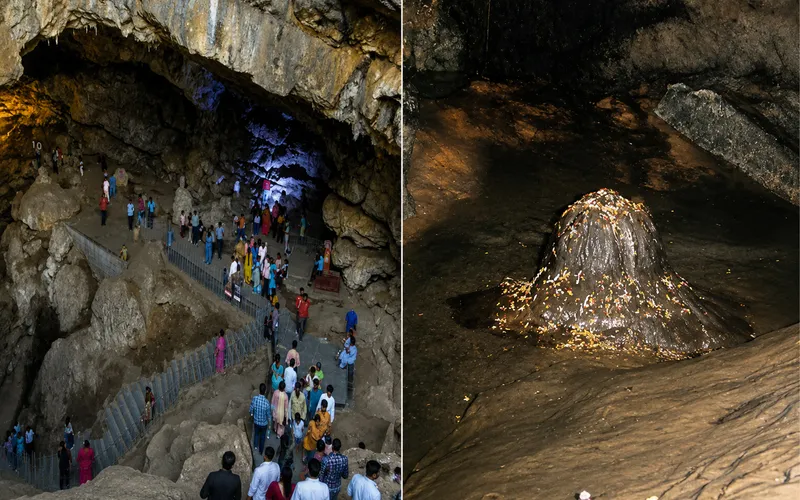
A sacred limestone cave temple commonly visited during the return journey through Kumaon.
A combined guide to sacred peaks, villages, temples, lakes and route-side attractions covered during the pilgrimage.
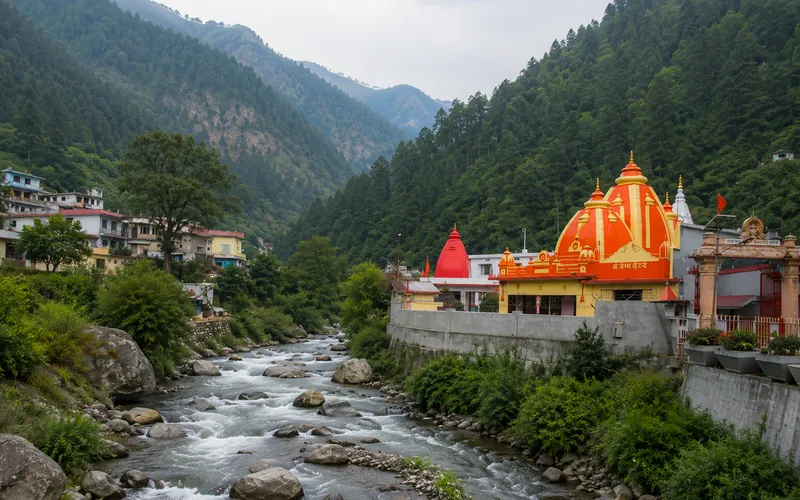
Important en-route highlights: Neem Karoli Baba’s ashram and the ancient cluster of Shiva temples at Jageshwar.
Because the route is now mostly vehicle-based with only short walks, the yatra suits families, first-timers and many fit senior citizens, generally between 10 and 70 years. Medical fitness for high altitude matters more than age. Foreign nationals are not permitted; NRIs with Indian passports can join.
| Traveller Type | Guidance |
|---|---|
| Senior Citizens | Many seniors complete the yatra comfortably because of road access and short walks. Medical clearance and slower acclimatised pacing are essential. |
| Families | Families with school-age children, usually 10+, can travel together. Children below seven are generally discouraged because of altitude. |
| NRIs & OCI | NRIs holding Indian passports can join. Documentation and timing should be planned carefully in advance. |
| First-timers | No technical trekking is required. Basic cardiovascular fitness helps, and uncontrolled heart, lung, BP or diabetic conditions require medical advice. |
| Foreign Nationals | Not permitted. The Inner Line Permit is issued only to Indian citizens in this restricted border zone. |
The yatra reaches areas above 4,000 m. Travellers with serious heart, lung, blood-pressure or other chronic conditions, and pregnant travellers, should seek medical advice before booking. Acclimatise, hydrate and descend immediately if altitude-sickness symptoms appear. This is general guidance, not medical advice.
It is moderate. The route is now largely vehicle-based with only short walks of about 1.5 Km + 3 km (e.g., ~1.5 km to Parvati Sarovar, 3 km to Gaurikund). The main challenge is the high altitude, not the walking.
About 5–7 days from Kathgodam and 7–10 days from Delhi, depending on the package, sightseeing and a buffer day for weather.
Very little. The journey is mostly by vehicle. Walking is short and optional, which is why families and seniors can now join. Short walks are about 1.5 + 3 km (e.g., ~1.5 km to Parvati Sarovar, 3 km to Gaurikund).
Yes. Mountain weather and road conditions can shift plans by a day. A buffer day protects your darshan and your return travel.
Darshan areas around Jolingkong/Parvati Sarovar are roughly 4,500 m (≈14,800 ft). Om Parvat's peak is about 5,590 m, viewed from Nabhidhang. The peaks themselves are not climbed.
Yes, above ~3,000 m AMS is possible. The staged drive aids acclimatisation. Hydrate, avoid alcohol, ascend gradually, and tell your guide immediately if you feel headache, nausea or breathlessness. Descending is the most reliable remedy.
Reputable operators like us (pilgrimagetour.in) carry first-aid kits and oxygen and have descent plans. Confirm this is included before you book, and carry your own personal medicines.
The high-altitude sections are rugged 4x4 roads. With experienced local drivers and good weather they are managed routinely, but travel is paused when conditions are unsafe — another reason to keep a buffer day.
Yes. An Inner Line Permit (ILP) is mandatory for all travellers beyond Dharchula. Entry is not allowed without it.
By the SDM (Sub-Divisional Magistrate) office in Dharchula, as the yatra begins. It is checked at multiple checkposts en route.
Generally 1–3 working days, sometimes longer in peak season. Operators with a Dharchula liaison can pre-process documents to save time.
No. This is a restricted border zone and the ILP is issued only to Indian citizens.
NRIs holding Indian passports can join. Plan documentation and timing in advance.
Typically 10–70 years, with medical fitness the deciding factor. Children under 7 are usually discouraged due to altitude.
Road packages typically run about ₹21,000–₹45,000 per person depending on start point, group size, vehicle and stays. Delhi-start and private options cost more; helicopter darshan is a separate, higher tier.
Transport, accommodation (homestays/hotels), breakfast and dinner, permit assistance, and a guide/driver. Lunch, personal expenses and entry fees are often extra.
Booking starts from December onwards for May & June months and September–October. It is better to book as early as possible to get a good hotel. These windows fill quickly.
Our cancellation policy is very transparent.
| Cancellation Policy | Charges |
|---|---|
| Cancellation before 30 days | A processing fee of 25% of the total package cost will be charged. |
| Cancellations between 15 to 30 days before start date | 75% of the tour cost will be charged as cancellation fees. |
| Cancellations between 0 to 15 days before start date | 100% of the tour cost will be charged as cancellation fees. |
| Unforeseen Weather Conditions or Government Restrictions | Certain activities may be cancelled; we will attempt to provide an alternate feasible activity. No refund will be provided in such cases. |
Yes, helicopter packages operate from Pithoragarh. But they are weather-dependent and considerably more expensive than road packages.
Nearest airport: Pantnagar (limited flights). Nearest railhead: Kathgodam, where most yatras begin. Many travellers fly to Delhi and continue by road or train.
Yes. You can start from Delhi; it will take a minimum of 7 days.
Mobile network till Dharchula is good. Beyond Dharchula, it is limited and unreliable. Inform family in advance that you may be out of contact, and carry a power bank.
Hotels are good till Pithoragarh. Beyond Pithoragarh, you will get simple, clean homestays/guesthouses in Dharchula, Gunji/Nabi. Facilities are basic at high altitude — book early as options are limited.
Mostly simple vegetarian meals at hotels, homestays and en route. Carry your own snacks and dry fruits; nothing is available beyond Gunji.
Available till Dharchula. Carry sufficient cash.
Warm layers (thermals, fleece, windproof jacket, gloves, cap), waterproof trekking shoes, SPF 50+ sunscreen, UV sunglasses, a 1L+ water bottle, power bank, torch, personal medicines, and original ID + photocopies.
Days at darshan points can be around 10–15°C but nights at Gunji/Jolingkong can fall to near or below zero even in summer. Pack for sub-zero nights.
Yes at the sacred sites, but photography is restricted near military/border installations and checkposts. Always follow the instructions of army/ITBP personnel.
Early morning in the clear-weather windows (May–June, September) gives the best darshan. Cloud can hide the peak, so an early start and a buffer day improve your chances.
Because its shape closely resembles Mount Kailash in Tibet. It is one of the five Panch Kailash and is revered as a Shiva abode within India.
Yes. The standard yatra includes darshan of both — Adi Kailash from Jolingkong/Parvati Sarovar and Om Parvat from Nabhidhang.
Yes. While it is a Hindu pilgrimage, the region welcomes anyone (subject to ILP eligibility) drawn to its spiritual atmosphere and Himalayan beauty.
No. Climbing the peak is prohibited. Pilgrims take darshan and perform puja from the lake and viewpoints below.
Use genuine, verified reviews from actual yatris. Each review should mention the month travelled, group type and one honest detail about the journey. Dated photographs, named travellers and short video testimonials strengthen credibility for readers and search systems.


| Strength | What It Means for You |
|---|---|
| 12+ Years Experience | Deep expertise across Uttarakhand sacred routes, including Adi Kailash, Chardham and beyond. |
| 5,000+ Yatris Guided | Families, seniors and first-timers safely brought to darshan, season after season. |
| On-Ground Team | Local coordinators in Pithoragarh and Dharchula for permits, vehicles and stays. |
| Safety-First Pacing | Itineraries built around gradual ascent, oxygen support and clear descent plans. |
| Permit Assistance | ILP document guidance and Dharchula SDM liaison without paperwork confusion. |
| Honest Cost & Policy | Transparent inclusions and a practical plan when mountain conditions reshape the schedule. |
Compare the main departure options by package name, duration, starting city and destinations covered.
Choose a core Kathgodam or Delhi circuit, or select a city-connected package from West, South or East India. City durations include the recommended onward connection to Delhi or Kathgodam where applicable.
The established railhead-start circuit with a gradual Kumaon ascent.
View package detailsA Delhi round-trip plan with the main sacred route and short high-altitude walks.
View package detailsRecommended full city-to-city plan using a Surat–Delhi connection.
View package detailsA flight-connected pilgrimage with ILP assistance and 4x4 transport beyond Dharchula.
View package detailsRecommended door-to-door plan; the core Kathgodam circuit is 8 days / 7 nights.
View package detailsA complete Mumbai round-trip plan with direct air connectivity to Delhi.
View package detailsRecommended door-to-door plan based on the 8-day Kathgodam circuit plus city transit.
View package detailsApproximate city-to-city duration; the recommended core circuit is 8 days / 7 nights.
View package detailsA practical Gujarat departure plan using Delhi and Kathgodam as connection points.
View package detailsA South India departure with flights extra and the full road circuit through Kumaon.
View package detailsA complete Bangalore round-trip plan with flight, rail and 4x4 mountain sectors.
View package detailsSome city pages offer multiple road and helicopter choices. The cards above show the primary or recommended full circuit for easy comparison; final duration can change with the selected connection, road conditions and buffer days.
Use these focused guides to continue from general planning into permits, safety, route research and destination-level details.
Get a personalised itinerary, an honest cost estimate and permit guidance from a team that runs this route on the ground.
Understand the sacred mountain, its names and spiritual meaning.
Read article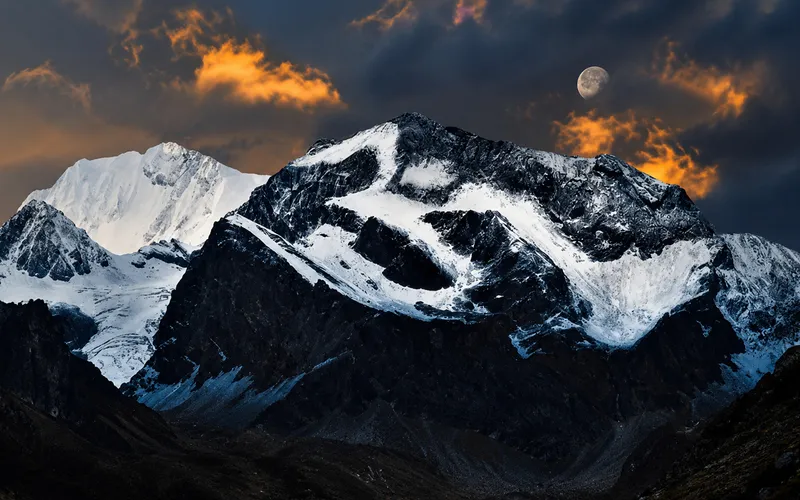
Learn how the natural Om formation appears and where darshan is taken.
Read article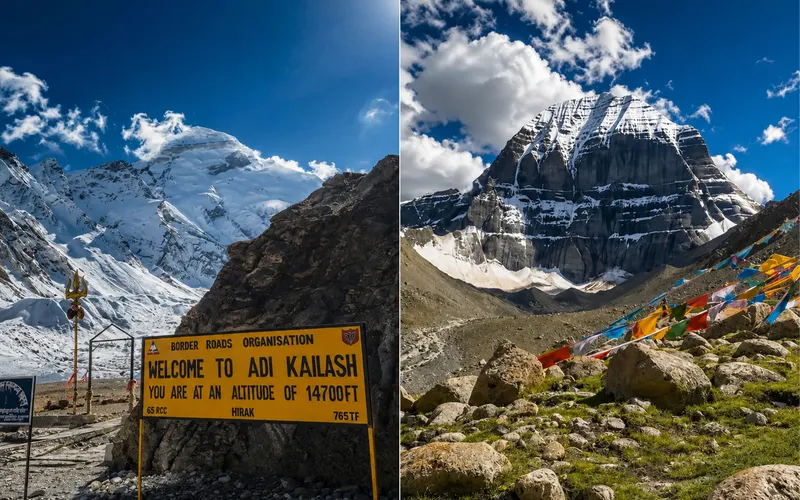
Compare documents, difficulty, cost and travel duration before choosing.
Read article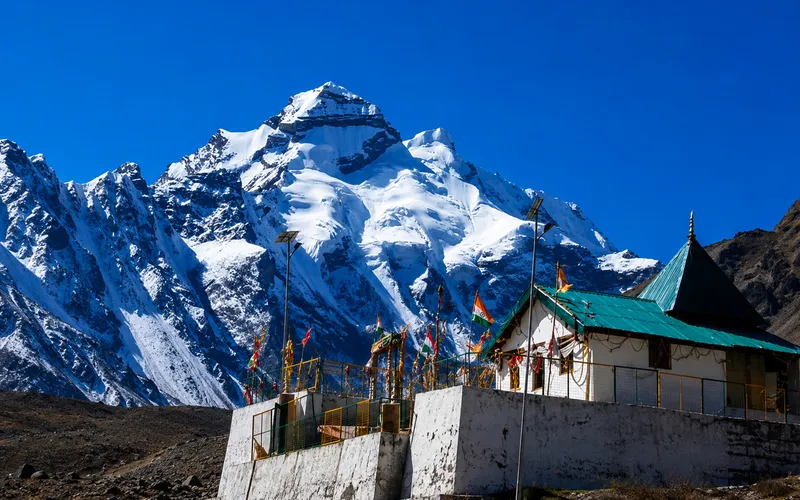
Follow the journey from Delhi and Kathgodam to both darshan points.
Read article
Documents, medical certificate and Dharchula permit process explained.
Read article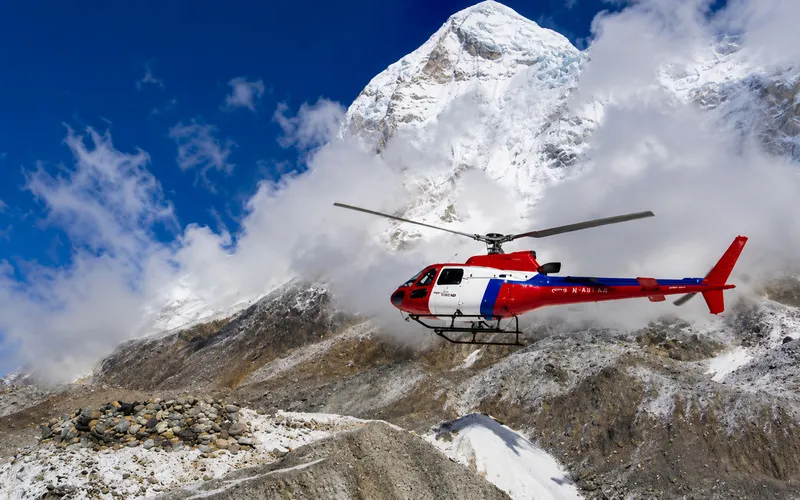
See the main factors that change shared, private and Delhi-start prices.
Read article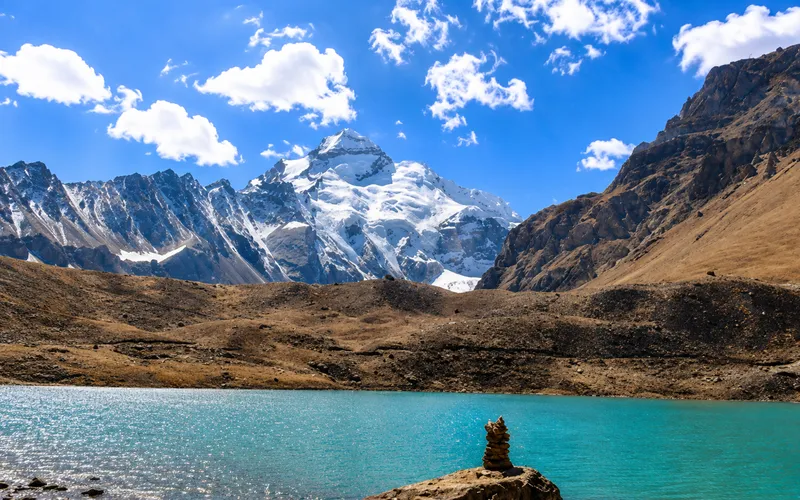
Month-wise temperatures, road conditions and packing guidance.
Read article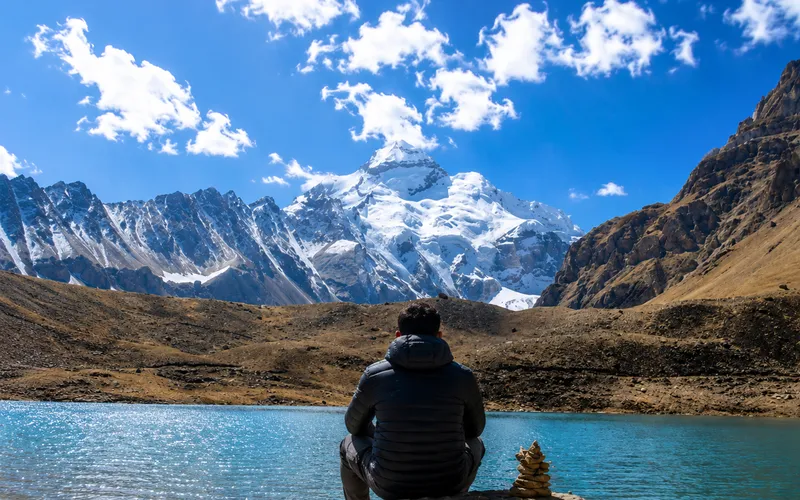
Choose between early summer and the clearer post-monsoon window.
Read article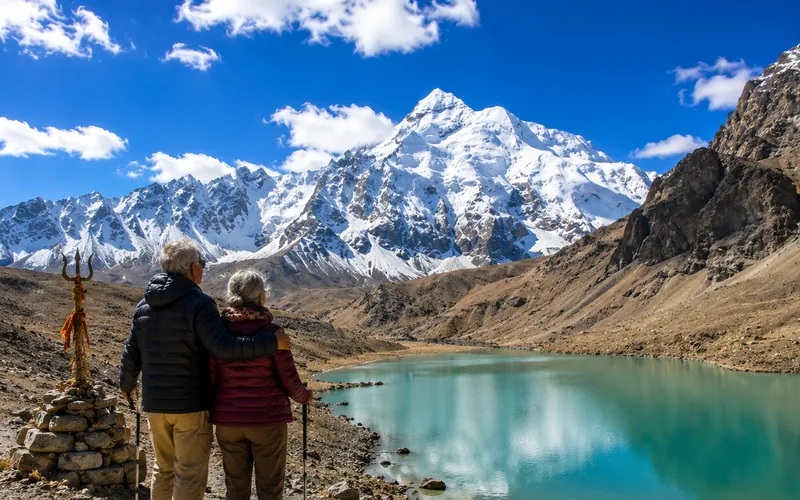
Fitness, pacing, oxygen support and route planning for older pilgrims.
Read article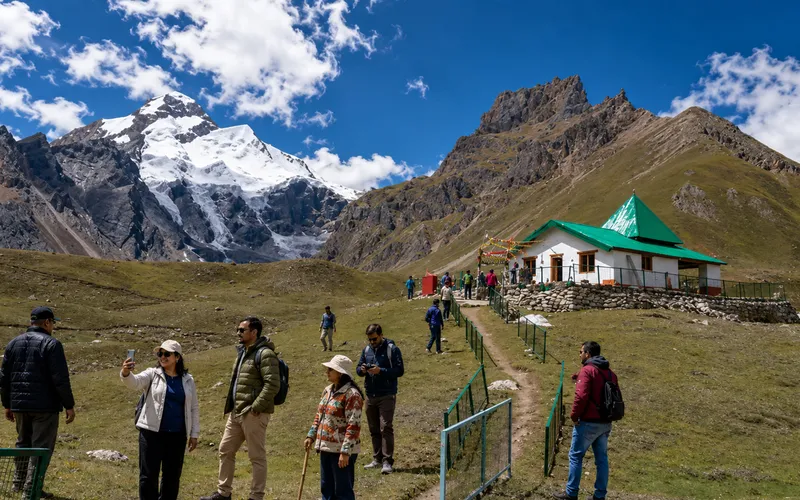
Passport eligibility, Indian citizenship rules and advance planning.
Read article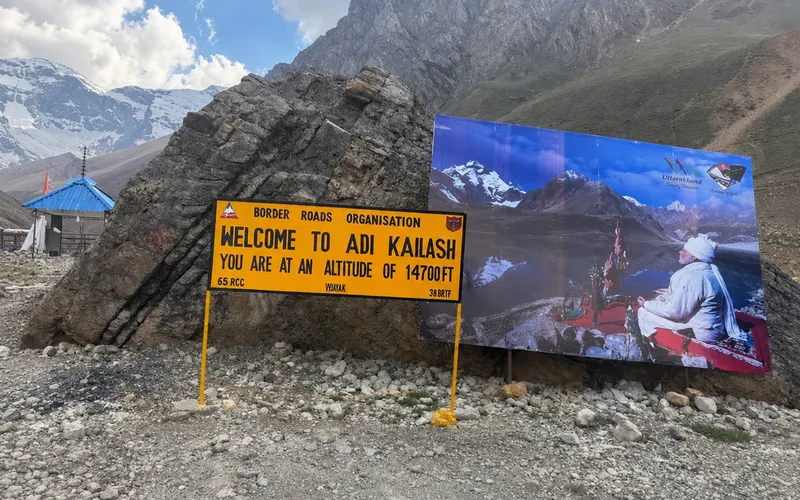
Recognise AMS symptoms and understand acclimatisation and descent.
Read article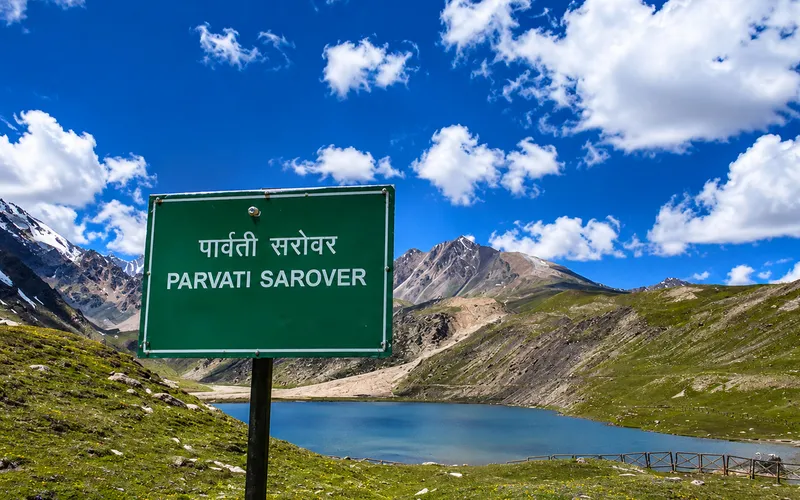
Darshan, short walk and the sacred lake below Adi Kailash.
Read article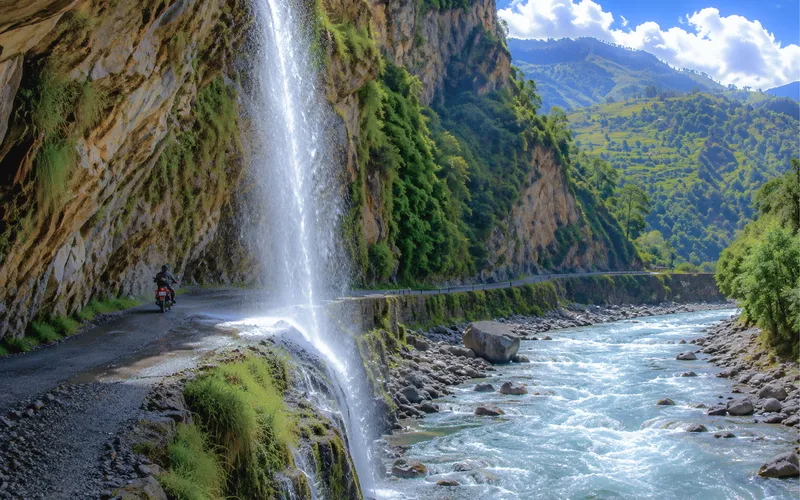
Permit hub, cash, shopping and overnight planning at the border town.
Read article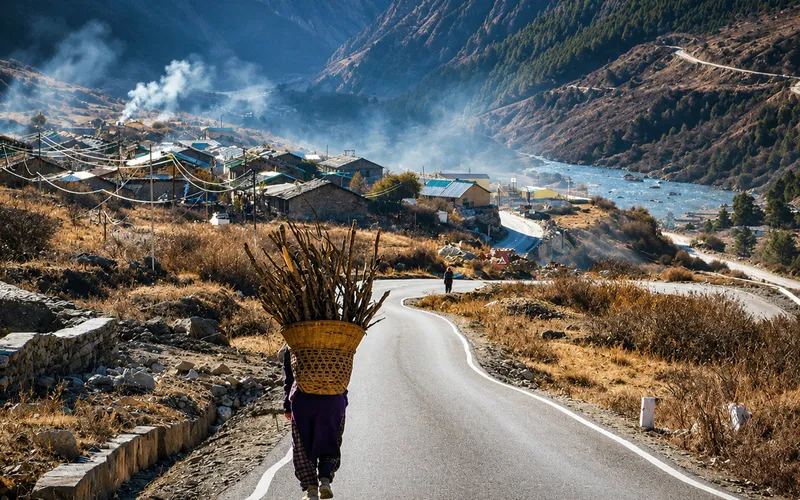
Homestays, acclimatisation and connectivity at the high-altitude base.
Read article