- Home
- Jyotirlinga Tours
It is a widely known fact that Lord Shiva had manifested himself in the form of a Shiva Linga during the night of Aridra Nakshatra.
Read More - Spiritual Tours
- Travel Guide
- Contact us
- Enquiry Now

It is a widely known fact that Lord Shiva had manifested himself in the form of a Shiva Linga during the night of Aridra Nakshatra.
Read MoreRamayana is a holy verse written by the great sage Valmiki about the glories, adventures and morals of Lord Ram. A major part of the story takes place in the kingdom of Raavan in Sri Lanka.
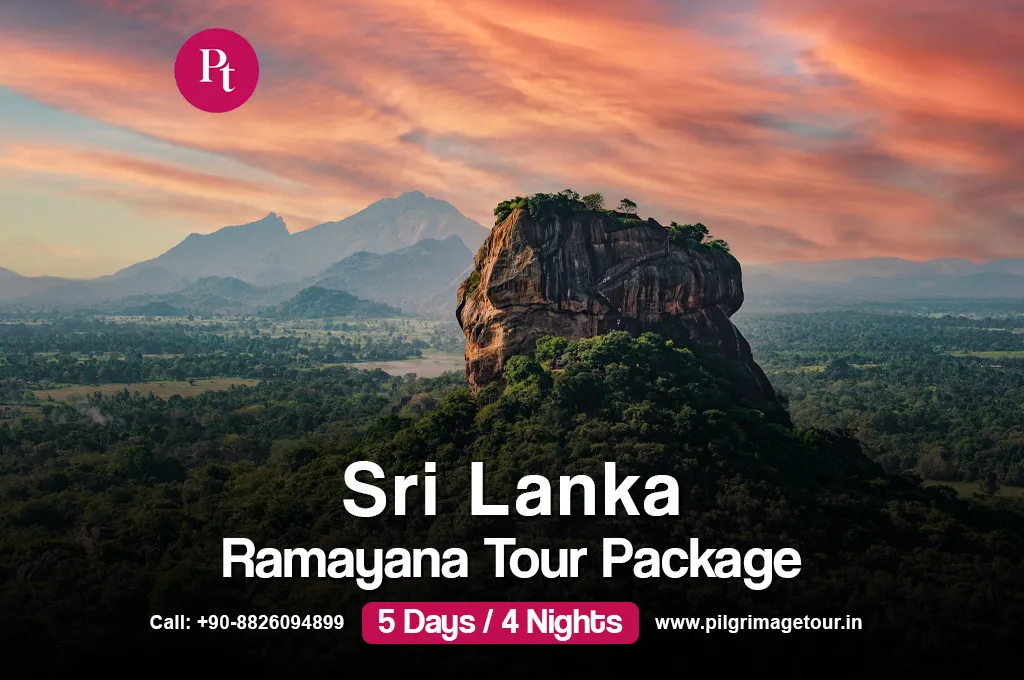
From Sita getting rescued to Lord Hanuman setting the whole kingdom on fire and Lord Ram killing the cruel king Ravana, Sri Lanka has quickly become an important pilgrimage destination. The Sri Lanka Ramayana Tour of 5 days and 4 nights will take you on the footprints of Lord Rama to the island of Sri Lanka across all the places mentioned in the holy iconic book.
Sri Lanka has over 50 sites connected to the Ramayana, spread across the island - from the central highlands of Kandy and Nuwara Eliya to the coast at Trincomalee, Galle, and Chilaw. The Sri Lanka Tourism Promotion Bureau officially recognises the Ramayana Trail as a dedicated tourism circuit. For Hindu pilgrims from India, each stop on this trail is a page from the Valmiki Ramayana come alive.
| Duration | 5 Days / 4 Nights |
|---|---|
| Start Point | Colombo (Bandaranaike International Airport) |
| End Point | Colombo Airport - Departure |
| Route | Colombo - Kandy - Riverston / Knuckles Range - Nuwara Eliya - Colombo |
| Key Ramayana Sites | Sita Kotuwa, Muthumariamman Kovil, Yakkala, Yahangala, Hanuman Mandir (Rangoda), Shri Bhakta Hanuman Temple (Ramboda), Sita Amman Temple, Hakgala / Ashoka Vatika, Divurumpola |
| Best Time to Visit | December - April (dry season) | July - August (second dry window) |
Here is a brief guide to the main Ramayana-connected sites you will visit on this Sri Lanka Ramayana pilgrimage:
The site identified as Sita's first place of captivity in Lanka. Set deep in the jungle near Riverston - a short jungle walk brings you there. Surrounded by dense forest, this place carries a powerful atmosphere unlike anything else on the trail.
One of the most ornate Hindu temples in Sri Lanka, built in 1874, dedicated to Goddess Muthumariamman. The intricate gopuram and colourful carvings make it a striking stop before the Ramayana sites.
Newly identified Ramayana sites near the Riverston mountain area, connected to events from the Ramayana and now part of the official Sri Lanka Ramayana Trail.
A Hanuman temple in the Rangoda hills above the falls, accessible by a short uphill walk or three-wheeler. Part of Hanuman's search route for Sita Mata in the Sundara Kanda.
Built by the Chinmaya Mission near the 109-metre Ramboda Falls, this temple marks the spot where Hanuman is believed to have searched for Sita. One of the most visited Ramayana temples in Sri Lanka.
The region associated with the Sundara Kanda chapter - where Hanuman wandered and looked intently for Sita Mata. Known for extraordinary scenic natural beauty.
Located 1 km from Hakgala Botanical Garden, built on the site where Sita was held captive and prayed daily for Lord Rama. Hanuman's footprints can be seen on a rock face near the temple stream.
Identified as the original Ashoka Vatika of the Ramayana - Ravana's garden where he kept Sita captive. Home to over 10,000 plant species, the garden blends mythological importance with natural beauty.
The exact site of Sita's Agni Pariksha, where she walked through fire to prove her purity. A revered place where locals still come to take oaths - the tradition from the Ramayana era continues here.
Located in the former royal area of Kandy, this sacred Buddhist temple houses the tooth relic of Gautam Buddha. The evening Pooja Aarti here is one of the most memorable experiences of the tour.
Sri Lanka has over 50 Ramayana-connected sites across the island. The 5-day package covers the central highlands. For pilgrims who wish to see more, these sites can be added in a 7-day or 8-day Sri Lanka Ramayana circuit tour:
After Lord Rama defeated Ravana, Prince Vibhishana was crowned ruler of Lanka. The Kelaniya Temple has a shrine dedicated to Vibhishana, who is worshipped as a deity here.
Where King Rama prayed to Lord Shiva after defeating Ravana. One of the five ancient Ishwarams (Shiva temples) of Sri Lanka.
Houses the Ramalingam - one of only two Shiva lingams in the world named after Lord Rama, said to have been consecrated by Rama himself after his victory over Ravana.
An ancient Shiva temple on a cliff over the sea. Linked to Ravana's devotion to Lord Shiva - Lord Rama is also believed to have built a Shiva lingam here to atone for killing Ravana, a Brahmin.
Natural hot springs believed to have been created by Ravana after his mother's death. A pilgrimage site for centuries.
Linked to the Ramayana - believed to be where part of Hanuman's Sanjeevani herb-carrying mountain fell. A site for mythology enthusiasts and trekkers.
A cave at the base of a cliff, about 2 km from Ella town, believed to have been used by Ravana to keep Sita. Popular with pilgrims and hikers.
Believed to be where Lord Rama killed Ravana using his Brahma Astra. 'Dunuwila' means 'arrow lake' in Sinhala.
The hill where Hanuman is believed to have dropped a piece of the Himalayan mountain carrying the Sanjeevani herb. Today it is home to Himalayan flora found nowhere else in Sri Lanka.
UNESCO World Heritage rock fortress, also believed to be one of the places where Ravana kept Sita. A must-visit for its historical and mythological significance.
Now a national park, believed to have been one of Ravana's airstrips for his Pushpaka Vimana (flying craft). Known for its unusual landscape and rich folklore.
Temple dedicated to Lord Karthikeya, who protected Lord Rama during his battle against Ravana. A major pilgrimage site in southern Sri Lanka.
Indian passport holders can visit Sri Lanka with a free ETA (Electronic Travel Authorisation) for up to 30 days. From 25 May 2026, Sri Lanka has officially waived the ETA fee for nationals of 40 countries including India - confirmed by Sri Lanka's High Commissioner to India in February 2026. The ETA is still mandatory but costs nothing. Apply at eta.gov.lk before travel. Approval arrives by email, typically within a few hours to 24 hours.
By Air: Sri Lanka is a 2.5-3 hour flight from most Indian cities. Direct flights operate from Delhi, Mumbai, Chennai, Bengaluru, Kochi, and Kolkata to Colombo's Bandaranaike International Airport (CMB). Sri Lankan Airlines, IndiGo, Air India, and IndiGo all operate on these routes.
By Ferry (from Tamil Nadu): The Nagapattinam-Kankesanthurai (Jaffna) ferry resumed operations in August 2024 after a 41-year gap. The 'Sivagangai' ferry covers the 60 nautical miles in approximately 3.5 hours. The service has been operating with financial support from the Indian government under Viability Gap Funding, and has carried over 15,000 passengers since resumption. Check current schedules before booking as sailing days can be limited.
December - April: Best time for the central highlands Ramayana circuit - Kandy, Nuwara Eliya, Sita Eliya. Dry season, clear skies, ideal for jungle walks to Sita Kotuwa and temple visits.
July - August: Sri Lanka's second dry window. Generally good for travel, though the central highlands may see some mist and light showers.
May - June and September - November: Monsoon periods affecting different parts of the island. Temple visits remain possible but road travel can slow down. The southwest monsoon (May-July) affects the west coast and highlands; the northeast monsoon (October-January) affects the east coast.
 10+ Places You’ll See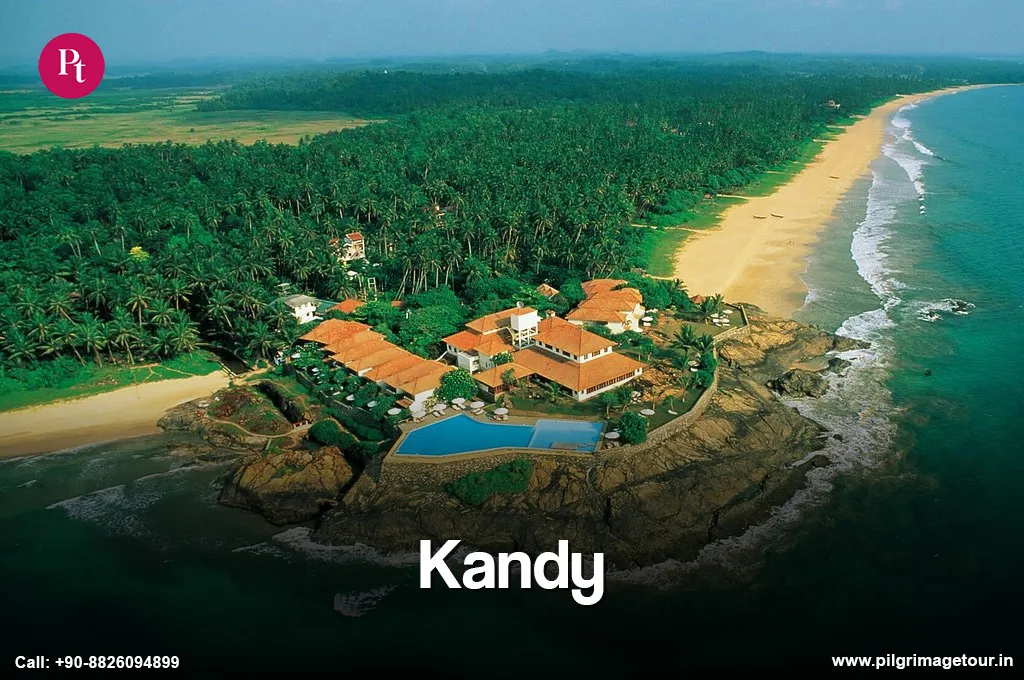

Sri Lanka Ramayana Tour Package

5 Days / 4 Nights

Daily Breakfast

Private AC Vehicle

Colombo
Colombo
Colombo – Kandy – Riverston / Knuckles Range – Nuwara Eliya – Colombo
Upon arriving at Colombo international airport you will be greeted by our tour representative there. You will then be transferred to your destination in Kandy where you will be spending the night. On the way you will be enjoying the wonderful landscape here.
After checking in to your hotel and post freshening up, you will be taken to the Temple of Tooth Relic to attend the grand evening Pooja Aarti ceremony. The sacred Buddhist temple is located in the former royal area of Kandy which houses the tooth relic of Gautam Buddha. This will be followed by a cultural, dance and musical performance near the Kandy Lake. Finally you will head back to your hotel in Kandy for an overnight stay.
After morning breakfast you will proceed to Matale, where you will be going to the temple of Muthumariamman Kovil. It is a huge, colorful and traditionally built Tamil temple located in the heart of Kandy. The temple was established in 1874 and is one of the most architecturally magnificent Hindu temples in Sri Lanka.
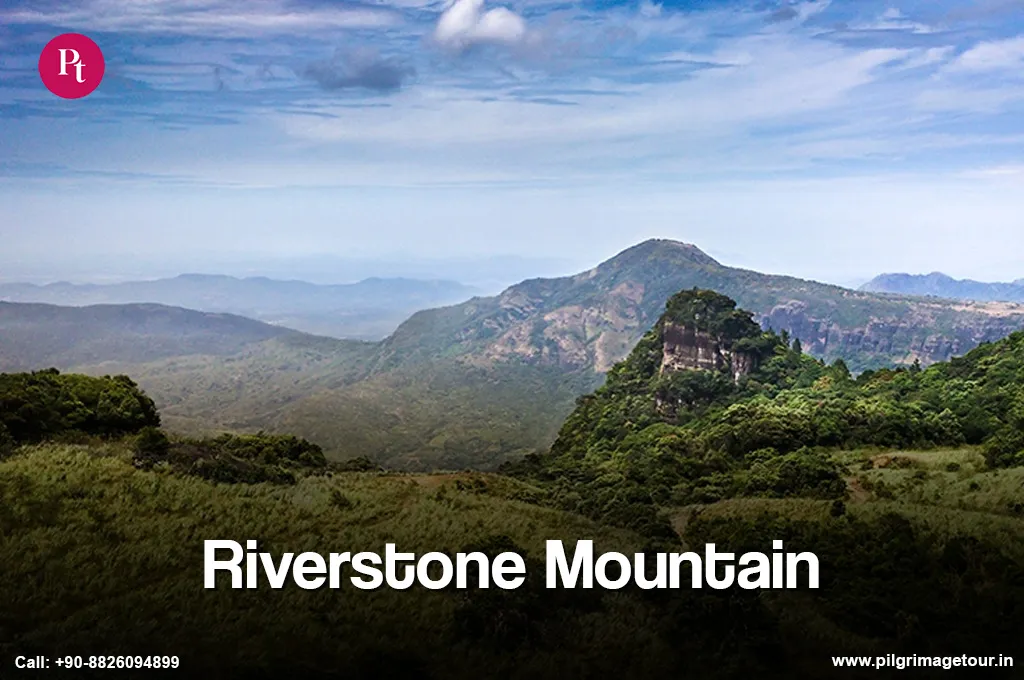
The next destination for today's visit will take you for an excursion to the Riverston mountain area for a visit to the traditional Tamil temple dedicated to Lord Ram. The newly identified sites associated with Ramayana here will also be visited, called Yakkala and Yahangala. Later on put on your walking shoes for a peaceful jungle walk steeped in history to the first abode of Sita's captivity called Sita Kotuwa. On your way back from the jungle trail you will be taken on a scenic trip to the northeastern Sri Lankan highlands of Knuckles Range which is also referred to as 'the misty valley' by the local Sinhalese people. After this you will be taken back to your hotel for a delicious dinner meal followed by an overnight stay.
After your breakfast in Kandy you will be checked out of your hotel and taken to your next destination of Nuwara Eliya. On the way a small city tour will take place followed by some souvenir shopping and a delicious lunch meal.
After lunch, Rangoda will be one of the first stops where you will be checking out the Rangoda Falls. People who are interested in checking out more in the area can easily take a walk uphill and check out the beautiful Hanuman Mandir there. There are also options for 3 wheelers for people who are unable to walk the entire way uphill. Here, you will also have the opportunity to check out the tea gardens of Manikattu The Rock.
After this, you will be taken to the Sundar Kand area - the same spot where Lord Hanuman had wandered and looked intently for Sita Mata. The place is known for its extraordinary scenic natural beauty that dominates the entire region. At Ramboda, visit the Shri Bhakta Hanuman Temple, built by the Chinmaya Mission on the very spot where Hanuman is believed to have searched for Sita. On arrival in Nuwara Eliya you will be checked in to your hotel for dinner and an overnight stay.
There are many Hindu temples in Sri Lanka, and post breakfast you will head out to the temple of Sita Amman located in Sita Eliya. This is also believed to be the place of Sita's captivity known as Ashok Vatika. The Hakgala Botanical Garden nearby is identified with the original Ashoka Vatika of the Ramayana, where Sita was held captive by Ravana. One can see the footprints of Lord Hanuman on a rock face near the temple stream.
The next destination here will be the Buddhist Stupa at Divurumpola which, as per the Ramayana trail tale, is the exact spot where Sita's Agni Pariksha had taken place. Locals still come here to take oaths and pledge fidelity - the ancient tradition continues to this day. After this the road back to the west coast will take place which is unbelievably scenic. On reaching Colombo you will be checked in to your hotel where you will be offered dinner and spend the night.
After breakfast in the morning, you will be checked out of your hotel in Colombo and taken to the international airport for your departure. The drop off at the airport will mark the end of your Sri Lanka Ramayana Tour Package with us and you will be left with memories to last a lifetime until your next visit.
Ans: The Sri Lanka Ramayana Tour Package is a 5 Days / 4 Nights pilgrimage that traces the footsteps of Lord Ram, Sita Mata, and Lord Hanuman across Sri Lanka - the ancient Lanka of King Ravana from the Valmiki Ramayana. The tour covers Sita Kotuwa (first place of Sita's captivity), Muthumariamman Kovil, Yakkala and Yahangala Ramayana sites, Hanuman temples at Rangoda and Ramboda, Sundar Kand area, Sita Amman Temple, Ashoka Vatika (Hakgala Botanical Garden), Divurumpola (Agni Pariksha site), and the Temple of Tooth Relic.
Ans: Yes. Most sites on the 5-day tour are road accessible. The jungle walk to Sita Kotuwa on Day 02 is a short trail - those who prefer not to trek can wait at the vehicle. The Hanuman Mandir at Rangoda requires a short uphill walk; a 3-wheeler is available as an alternative. All transfers are by private AC vehicle throughout the tour.
Ans: Indian nationals can now visit Sri Lanka with a completely free ETA (Electronic Travel Authorisation) for up to 30 days. The ETA fee was officially waived from 25 May 2026 as part of Sri Lanka's free visa scheme for 40 countries. You still need to apply at eta.gov.lk before travel - but the fee is zero. Double entry is permitted within the 30-day window.
Ans: Sri Lanka has over 50 sites connected to the Ramayana. The official Ramayana Trail recognised by Sri Lanka Tourism includes around 20 key locations. Our 5-day package covers the central highlands and Kandy region. Extended 7- or 8-day Sri Lanka Ramayana circuit tours can include additional sites in Trincomalee, Ella, Galle, Chilaw, and Kataragama.
Ans: Ashoka Vatika is the garden in the Valmiki Ramayana where Ravana kept Sita captive after abducting her from Panchavati. In Sri Lanka, the Hakgala Botanical Garden near Nuwara Eliya is identified as Ashoka Vatika. The Sita Amman Temple nearby is built on the site where Sita is said to have prayed daily for Lord Rama's arrival.
Ans: Divurumpola in Welimada is identified as the site of Sita's Agni Pariksha - where she walked through fire to prove her purity to Lord Rama. The Buddhist stupa here is a revered spot where locals still come to take oaths, carrying on the ancient tradition from the Ramayana era.
Ans: Sita Kotuwa in Hasalaka is the first place where Ravana kept Sita after her abduction, according to the Ramayana. Located near the Riverston mountain area in the Knuckles Range, reaching the site involves a peaceful jungle walk. The temple there and the dense surrounding forest give the place a feel that is quite unlike any standard tourist spot.
Ans: Yes. The Nagapattinam-Kankesanthurai (Jaffna) ferry service resumed in August 2024 after a 41-year gap. The 'Sivagangai' ferry covers the route in approximately 3.5 hours. Check current sailing schedules at the time of booking as departures are limited. For most pilgrims from across India, flying to Colombo remains more practical.
Ans: December to April is the best window for the central highlands circuit - dry season, clear skies, easy jungle trails. July-August is also good. Avoid the May-June southwest monsoon for the Kandy-Nuwara Eliya route as it can make the jungle trails and mountain roads slower and wetter.
Ans: Yes. The standard 5-day package covers Kandy, Riverston, and Nuwara Eliya. A 7- or 8-day extended Ramayana circuit tour can include Kelaniya Temple (Vibhishana shrine), Munneswaram and Manavari Kovil in Chilaw, Thirukoneswaram and Ritigala in Trincomalee, Ravana Cave in Ella, Rumassala in Galle, and Kataragama. Contact us to plan a customised Sri Lanka Ramayana Yatra.
Need help choosing your trip or booking?
We are here for you.