
Every pilgrim who drives up to Jolingkong faces one final choice: stop at Parvati Sarovar, or walk further to Gauri Kund.
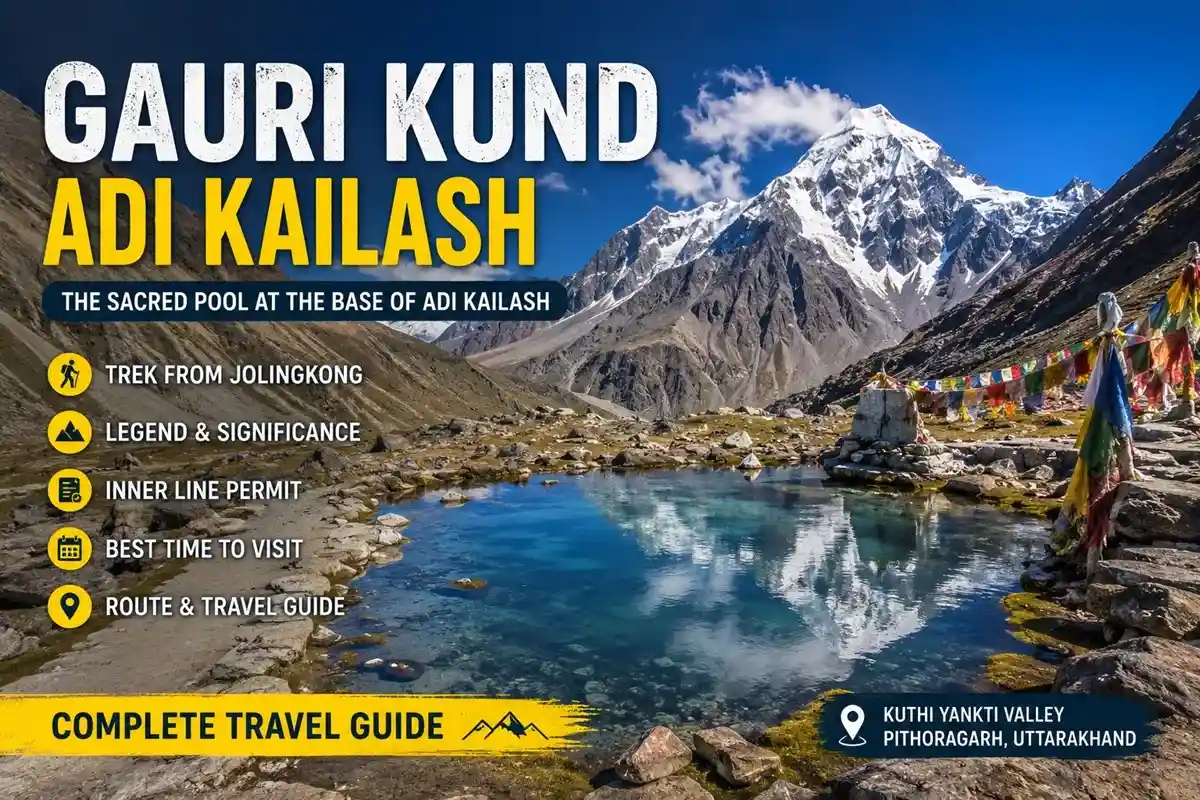
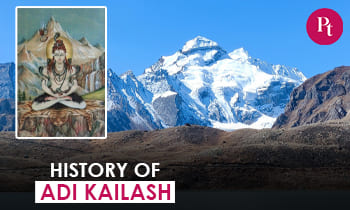
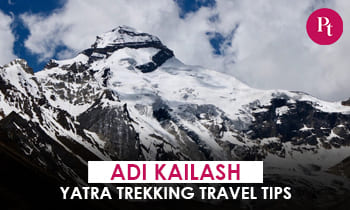
Many who make that extra walk call it the most moving part of the yatra. This small glacial pool sits at the feet of Adi Kailash — published figures place it around 15,000 ft (roughly 4,600 m; sources vary) in the Kuthi Yankti Valley of Pithoragarh. Local tradition holds that Goddess Parvati (Gauri) meditated here to win Lord Shiva. On still mornings, the peak’s reflection is often visible in the water.
Quick Facts: Gauri Kund at a Glance
- Difficulty: Easy–moderate; tiring due to altitude, not terrain
- Family/senior friendly: Yes, with mules and a Gunji acclimatisation night
- Wheelchair access: Not available beyond Jolingkong’s unpaved terrain
- Parking: At Jolingkong meadow only; nothing beyond
- Network & food: Unreliable network and no shops beyond Dharchula — carry cash and snacks
- Washrooms: Basic facilities at Gunji and Kuti only
- Worth visiting: Widely rated the highlight of the Adi Kailash circuit
Where Is Gauri Kund? (And the Legend)
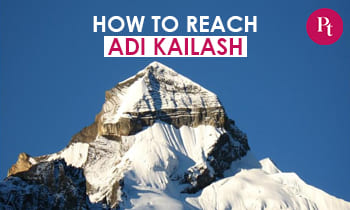
The pool lies at the head of the Kuthi Yankti Valley, beyond Kuti village, where vehicles stop at the Jolingkong meadow (published altitude roughly 4,400–4,700 m, sources vary). Adi Kailash — commonly listed at 5,945 m and revered as the second of the Panch Kailash peaks — rises directly above.
According to local legend, Parvati performed long penance here to marry Shiva, whose wedding procession is believed to have camped at Adi Kailash. That belief is why locals treat the water as the Goddess’s own: prayers and offerings, yes; bathing, no.
A naming note worth knowing: some references, including Wikipedia, apply the name Gauri Kund to Jolingkong Lake itself, while most operators use it for the smaller pool above Parvati Sarovar. On the ground, local guides will point you to this upper pool.
Gauri Kund vs Gaurikund (Kedarnath) — Don’t Confuse the Two
- This kund: Kuthi Yankti Valley, Pithoragarh — part of the Adi Kailash Yatra, needs an Inner Line Permit.
- Gaurikund (Rudraprayag): The Kedarnath trek road-head in Garhwal — no permit needed.
Same Goddess, two different Himalayan regions of Uttarakhand — Kumaon and Garhwal. Booking the wrong one is a surprisingly common mistake, so double-check the district name before you book.
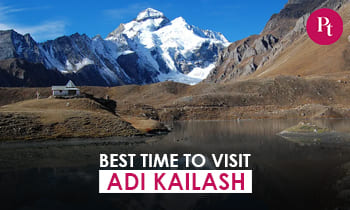
Best Time to Visit Gauri Kund
The yatra season typically runs May to October, though the exact opening and closing dates shift slightly each year depending on snow and road conditions:
- May–mid-June: Roads freshly opened by the Border Roads Organisation (BRO); residual snow patches, crisp spring air.
- September–October: Generally the sharpest skies and calmest water, giving the best chance of seeing the famous reflection.
July–August is best avoided. Operators and district advisories consistently flag this stretch for landslide risk on the Dharchula–Gunji road, and permit issuance has been paused in past monsoons.
Local guides often recommend reaching Jolingkong early, since the water is stillest before the wind typically picks up later in the morning.
How to Reach
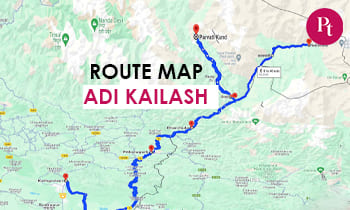
- Route: Kathgodam/Tanakpur → Pithoragarh → Dharchula → Gunji → Kuti → Jolingkong → short walk to the kund.
- Nearest railheads: Kathgodam and Tanakpur; nearest airport is Naini Saini (Pithoragarh) or Pantnagar.
- Vehicles reach only Jolingkong — a BRO-built road now runs almost the entire way, but further motorable access beyond the meadow is restricted to protect the site.
- Helicopter packages from Pithoragarh cover the circuit under the same permit rules, weather permitting.
Distance Chart
| Stretch | Distance | Time |
| Dharchula → Gunji | ~70–90 km | 4–6 hrs by 4×4 |
| Gunji → Jolingkong | ~30–55 km by road (sources vary) | 2–3.5 hrs |
| Jolingkong → Parvati Sarovar | ~2–4 km on foot | 1–1.5 hrs |
| Onward to Gauri Kund | ~3–4 km total from Jolingkong (some sources measure it as further beyond the Sarovar) | 1–1.5 hrs |
The Trek from Jolingkong
This short walk is the only real trekking left on the modern yatra — a BRO road now reaches almost to the darshan points. Most operators quote 3–4 km one way from Jolingkong to the kund; a cemented path covers the stretch to Parvati Sarovar and the Shiva-Parvati temple, while the final approach to Gauri Kund remains rougher, moraine-strewn ground.
Difficulty: Easy-to-moderate on flat ground, but altitude above 14,000 ft makes it feel harder than the distance suggests. Most groups take 3–4 hours round trip including darshan time.
Mules and porters are available at Jolingkong. Recent operator-quoted rates run roughly ₹2,000 to Parvati Sarovar and ₹4,000 to the kund — these are seasonal and indicative, so confirm locally before hiring.
What You See Along the Trail
- Bheem ki Kheti: According to local legend, the patch where Bheem grew wheat during the Pandavas’ exile.
- Parvati Mukut: The crown-shaped ridge formation above Adi Kailash.
- Pandav Parvat and Kunti Fort ruins: Landmarks locally associated with the Mahabharata, near Kuti village.
- Adi Kailash temple: The active Shiva-Parvati shrine beside the Sarovar, open only in season.
Inner Line Permit (2026 Process)
The kund sits in a restricted border zone, so an Inner Line Permit (ILP) from the SDM office, Dharchula, is compulsory for Indian nationals; foreign nationals and OCI holders are currently not permitted.
- Pre-register online via the Uttarakhand tourist care portal or KMVN where available — this speeds things up, but final verification still happens in person at Dharchula.
- Carry ID proof, 2–4 photographs and a medical fitness certificate; a medical check is also done at Dharchula.
- Permit fees vary by source and operator — treat any figure online as approximate and confirm at the SDM office. Approval usually takes 1–3 working days.
- Multiple ITBP checkposts verify the permit en route — carry a few physical copies plus a digital backup.
Age eligibility also varies by operator, roughly 9–70 years, with medical fitness as the real deciding factor; those above 70 may need special district permission.
Weather, Altitude & Health
Nights near Jolingkong stay close to freezing even in summer, and daytime UV is strong. The kund sits well above 14,000 ft, so AMS — headache, nausea, breathlessness — is the main health risk on the trek.
Acclimatise a full day at Gunji (around 3,200 m), walk slowly, and turn back if symptoms worsen. This is general travel guidance, not medical advice — anyone with heart, lung, or other chronic conditions should consult a doctor before attempting high-altitude travel.
Where to Stay
Nothing exists at the kund or Jolingkong for regular tourists — you return the same day. Standard bases:
- Gunji / Napalchu / Nabi: Homestays and a KMVN guesthouse; the usual overnight halts.
- Kuti: The last village, with a handful of homestays — the closest sleep point to Jolingkong.
- Dharchula: Hotels, the last reliable ATMs and mobile network on this route.
Availability changes each season, so confirm ahead, especially for the May–June rush.
Budget (Indicative)
- 6–8 day packages from Kathgodam (covering Adi Kailash + Om Parvat): roughly ₹25,000–55,000 per person, depending on operator and inclusions.
- Mule/porter for the kund trek: around ₹4,000, seasonal.
- Homestays: roughly ₹800–1,500 per night with meals; ILP fees vary and should be confirmed locally.
All figures are indicative and vary by operator and season.
Travel Tips & Common Mistakes
- Do the trek early — the water is stillest and photography is best before mid-morning wind picks up. Stop at Parvati Sarovar if AMS symptoms appear; that darshan is complete in itself.
- Don’t attempt a dip: bathing isn’t allowed at Gauri Kund, and even Parvati Sarovar’s water stays around 2–6°C.
- Carry cash from Dharchula; network and cards don’t work reliably beyond it, and nothing is sold at Jolingkong or the kund.
- Photography near ITBP posts is restricted — always ask first; drones are prohibited in this border zone.
- Pack windproofs, UV sunglasses, SPF 50 and personal medicines; some operators carry oxygen cylinders as a precaution — ask when booking.
- Senior citizens should prefer September, use mules, and carry a genuine fitness certificate.
Latest Updates (2026 Season)
- The 2026 yatra opened on 1 May with a ceremonial send-off from Dharchula, after BRO cleared the high-altitude stretches.
- District authorities ordered road repairs at several sensitive points and launched a mule registration and welfare drive for animals used on the route.
- Tentative closing date is late October, but this depends entirely on snow conditions between Gunji and Jolingkong — confirm current status before travel.
- Online pre-registration now speeds up paperwork, but the physical ILP still must be collected in person at Dharchula.
Conclusion
Gauri Kund is the yatra’s quiet high point — earned on foot after days on the road. The standard plan is a 6–8 day circuit with two nights at Gunji, doing Jolingkong on a clear early morning and deciding at Parvati Sarovar whether body and weather allow the final walk to this sacred pool. It’s a realistic goal for reasonably fit pilgrims; seniors can take mules or stop at the Sarovar without missing the blessing. Start early from Gunji, keep the permit handy, and let this quiet Himalayan kund do the rest.
FAQs
Q-1: What is Gauri Kund at Adi Kailash?
A sacred glacial pool at the base of Adi Kailash, where Goddess Parvati is believed to have meditated to win Lord Shiva.
Q-2: What is the Gauri Kund altitude?
About 15,000 ft (roughly 4,600 m); published figures vary by source.
Q-3: How far is the Jolingkong to Gauri Kund trek?
Most operators quote 3–4 km one way; vehicles stop at Jolingkong, and Parvati Sarovar falls en route.
Q-4: Is bathing allowed in Gauri Kund?
No. Pilgrims offer prayers at the kund; the ritual dip happens at Parvati Sarovar instead.
Q-5: Are mules available for the trek?
Yes, at Jolingkong — roughly ₹2,000 to Parvati Sarovar and ₹4,000 to the kund (indicative).
Q-6: Is this the same as Gaurikund near Kedarnath?
No. That Gaurikund is the Kedarnath trek base in Garhwal; this one is in Pithoragarh on the Adi Kailash Yatra.
Q-7: Do I need a permit?
Yes — an Inner Line Permit from SDM Dharchula, verified at ITBP checkposts; vehicles cannot go beyond Jolingkong.
Q-8: What is the best time to visit?
May–June and September–October, reaching Jolingkong by around 8 AM for still water and clear peaks.
Q-9: Can senior citizens do this Darshan?
Yes, with acclimatisation at Gunji and mule support — or stop at Parvati Sarovar, which needs only a 2–3 km walk.
Q-10: Can I combine it with Om Parvat Darshan?
Yes — standard itineraries do Jolingkong and Nabhidhang on separate days from the Gunji base.


 Call
Call WhatsApp
 Enquiry