
Vaishno Devi Temple, nestled in the picturesque Trikuta Mountains of Jammu and Kashmir, is one of the most revered pilgrimage destinations in India. Devotees from across the country and around the world embark on a spiritual journey to seek the blessings of Goddess Vaishno Devi. The temple’s climate varies significantly throughout the year, experiencing different temperatures, rainfall, and occasional snowfall. Let’s explore the month-wise weather conditions at Vaishno Devi Temple:
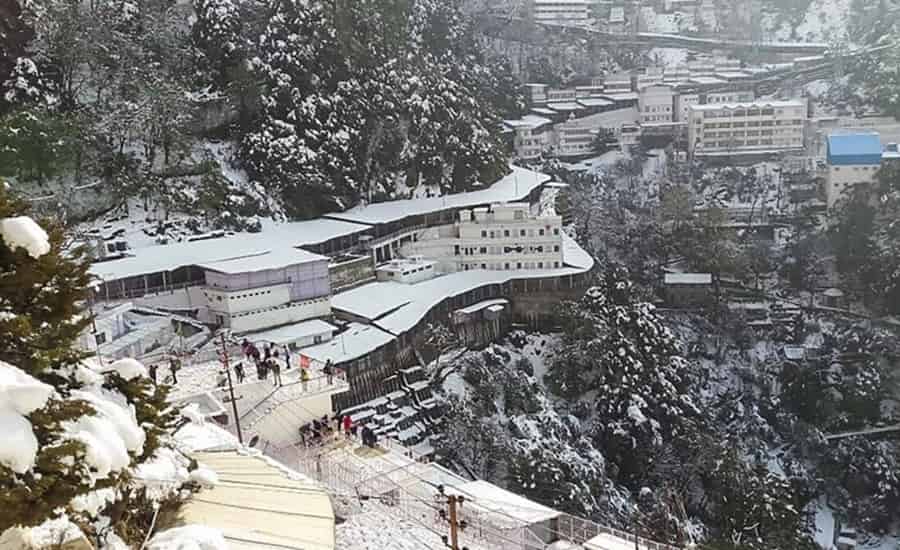
1. January
- Temperature: January is one of the coldest months in Vaishno Devi, with temperatures ranging from -2°C to 12°C.
- Rainfall: Minimal rainfall is expected during this month.
- Snowfall: There is a high probability of snowfall, transforming the surroundings into a winter wonderland.
2. February
- Temperature: Similar to January, temperatures remain cold, ranging from -1°C to 14°C.
- Rainfall: Limited rainfall is anticipated.
- Snowfall: Snowfall may continue, enhancing the scenic beauty of the region.
3. March
- Temperature: The weather begins to transition towards milder conditions, with temperatures between 4°C and 18°C.
- Rainfall: The possibility of rainfall increases slightly.
- Snowfall: Snow may still be present in higher altitudes.
4. April
- Temperature: April marks the onset of spring, with temperatures ranging from 8°C to 24°C.
- Rainfall: The region experiences light rainfall as the weather becomes more pleasant.
- Snowfall: Snow starts melting, and lower altitudes may be snow-free.
5. May
- Temperature: Vaishno Devi experiences a moderate climate in May, with temperatures ranging from 12°C to 30°C.
- Rainfall: May brings more rainfall compared to the previous months.
- Snowfall: Snow is usually limited to higher elevations.
6. June
- Temperature: Summer is in full swing, with temperatures between 18°C and 36°C.
- Rainfall: June receives significant rainfall, contributing to lush green surroundings.
- Snowfall: Minimal chances of snowfall.
7. July
- Temperature: The monsoon season brings cooler temperatures, ranging from 20°C to 34°C.
- Rainfall: July experiences heavy rainfall, making it one of the wettest months.
- Snowfall: No.
8. August
- Temperature: Similar to July, temperatures remain pleasant, ranging from 20°C to 32°C.
- Rainfall: Heavy rainfall continues, maintaining the greenery of the region.
- Snowfall: No.
9. September:
- Temperature: Post-monsoon, temperatures range from 18°C to 30°C.
- Rainfall: Rainfall decreases gradually.
- Snowfall: No.
10. October
- Temperature: October brings autumn, with temperatures between 10°C and 26°C.
- Rainfall: Minimal rainfall is expected.
- Snowfall: No.
11. November
- Temperature: As winter approaches, temperatures drop to 4°C to 18°C.
- Rainfall: November sees a decrease in rainfall.
- Snowfall: Possibility of early snowfall in higher altitudes.
12. December
- Temperature: Winter sets in, with temperatures ranging from -1°C to 12°C.
- Rainfall: Limited rainfall.
- Snowfall: Snowfall is likely, blanketing the region in a serene white cover.
Related Tour Packages

3 Days Vaishno Devi Yatra by Road

1 Day Vaishno Devi Charter Tour

11 Days Amarnath Yatra with Vaishno Devi
In conclusion, the weather at Vaishno Devi Temple varies significantly throughout the year, offering different experiences to pilgrims and visitors. Whether it’s the chilly winters with snow-covered landscapes or the lush greenery during the monsoon, each season adds a unique charm to the spiritual journey to this sacred destination.
Suggested to Read:










 Call
Call WhatsApp
 Enquiry