
India is a diverse country. We have numerous languages and different customs in here. The diversity of this country is renowned and this is what everyone is fascinated about. With all the mysterious elements buried deep in the history of India, this country has caught the attention of a lot of researchers and foreign tourists as well.
But there are a few things that unite its citizens amongst all the diversity. One of the most prominent is- Religion. Following a particular religion is one aspect that is unanimously common here. Every single person follows one religion or the other and going to temples or Gurudwara’s to pay homage to their respective God’s is a routine affair in here.
People flock to these religious homes of God to pray for various reasons. During their holidays, people prefer to visit a famous temple rather than visiting a beach to enjoy their time. Beaches epitomise beauty and are one of the best places to relax and unwind yourselves. If you compare the frequency or inflow of the tourists between beaches and temples, it can be very easily identified that temples have a large no. of visitors in comparison with beaches.
Let us take a few examples to justify the aforementioned statements-
Golden Temple and Baga Beach
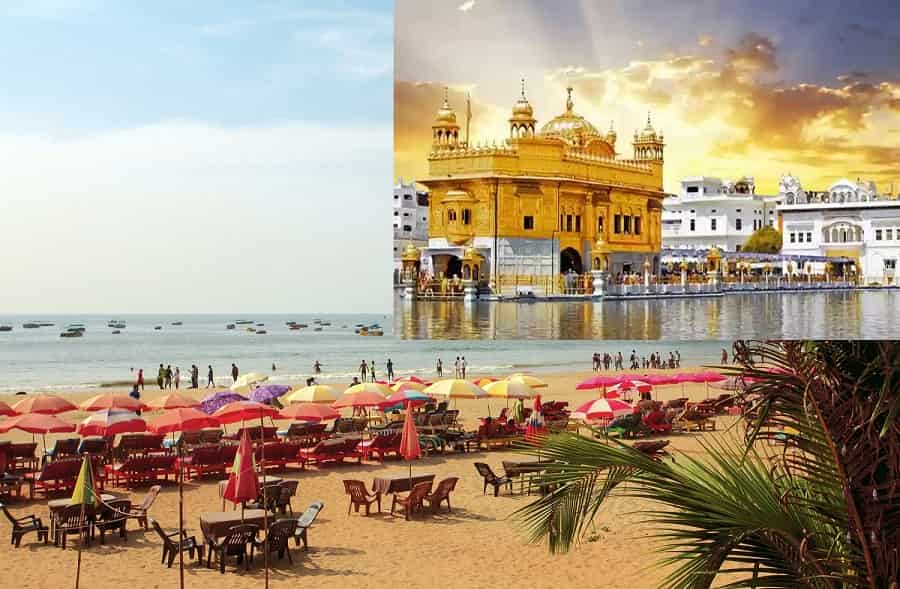
Golden temple is situated in the northern plains of Punjab, in Amritsar whereas Baga beach is one of the most famous beaches of Goa. Both the places attract foreign tourists as well. People from outside India are keen on visiting these places. However, being a religious place, myriads of Indians visit this temple every single day. It is estimated that around 1 lac people visit Harmandir sahib every single day. Whereas, Baga beach in Goa, being one of the most famous beaches, receives visitors merely in thousands that too on an annual basis. That signifies a huge difference.
Sai Baba Temple and Aksa Beach
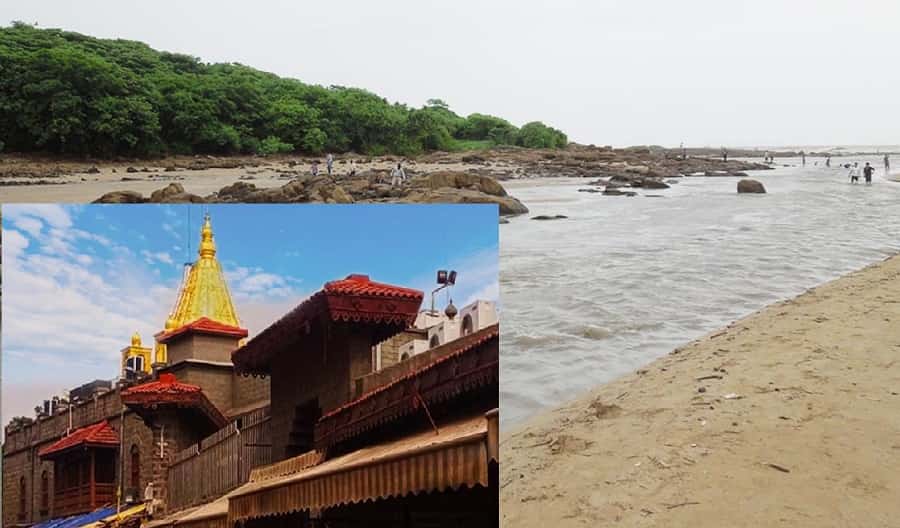
Sai Baba temple is located in Shirdi, which is approximately 296 kilometres from Mumbai whereas Aksa Beach is located in Malad, Mumbai. Sai baba temple is quite a popular tourist destination because of the large no. of followers of Sai Baba whereas Aksa beach is quite famous for its beauty. The temple easily witnesses around 20000 people every single day and on occasions the number can go as high as 1 lakh for a single day. Whereas, Aksa beach witnesses a small number; around 10, 000 people visit the beach on a weekend holiday, else the beach sees a few hundreds of them.
- Suggested Tour: Special Shirdi and 9 Jyotirlinga Darshan Tour Packages
Vaishno Devi Temple and Anjuna Beach
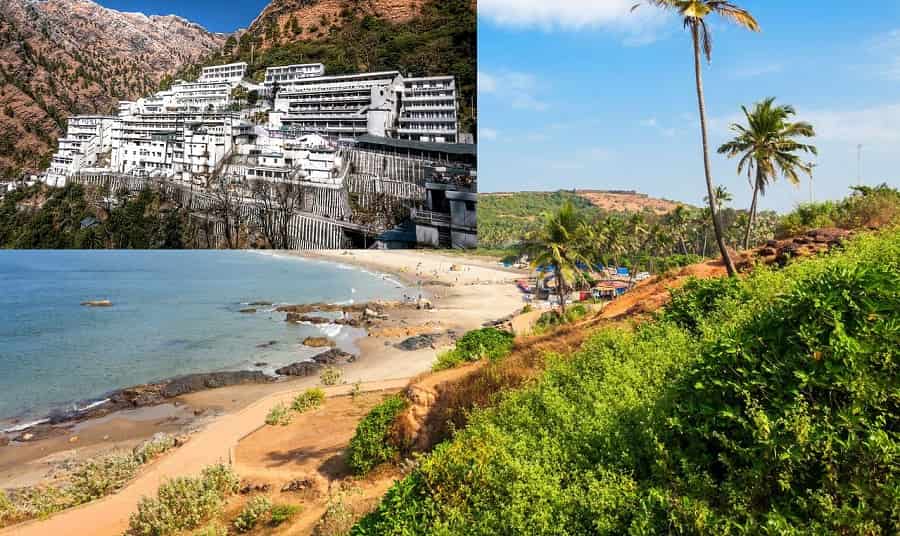
Vaishno Devi temple is located in the northern state of Jammu whereas Anjuna beach is located 18 km away from Panaji, Goa. The temple shrine encapsulated a difficult trek of more than 10 km. Even then, there is no decline in the number of devotees visiting the temple whereas the beach is popular tourist destination in Goa and receives a moderate influx of tourists every year. The average no. of people visiting the shrine every day reaches around 15000 people which means that annually approximately 1 crore devotees will visit this temple whereas the Anjuna beach receives thousands of tourist throughout the year.
Tirumala Venkateswara and Calangute Beach
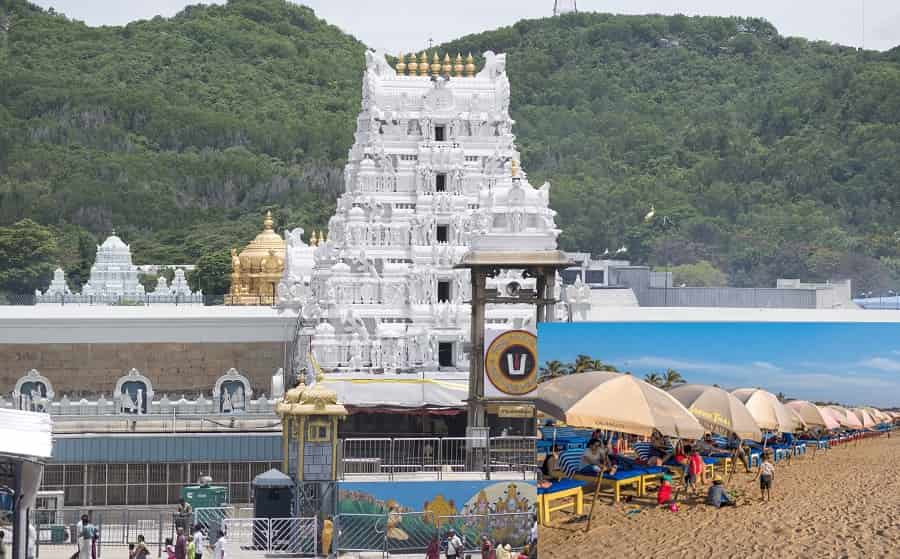
Tirumala Venkateswara temple is one of the most frequently visited temples in India whereas Calangute beach is considered as one of the most overcrowded beaches of Goa. Now, this temple witnesses a daily inflow of approximately fifty thousand to one lakh devotees every single day. You can well imagine the annual figures. Whereas, the State of Goa received annual tourist inflow of merely 27 lakhs. This staggering gap shows that only a minute percentage of people visit beaches whereas temples witness a huge rush on every single day.
Meenakshi Amman Temple and Juhu Beach
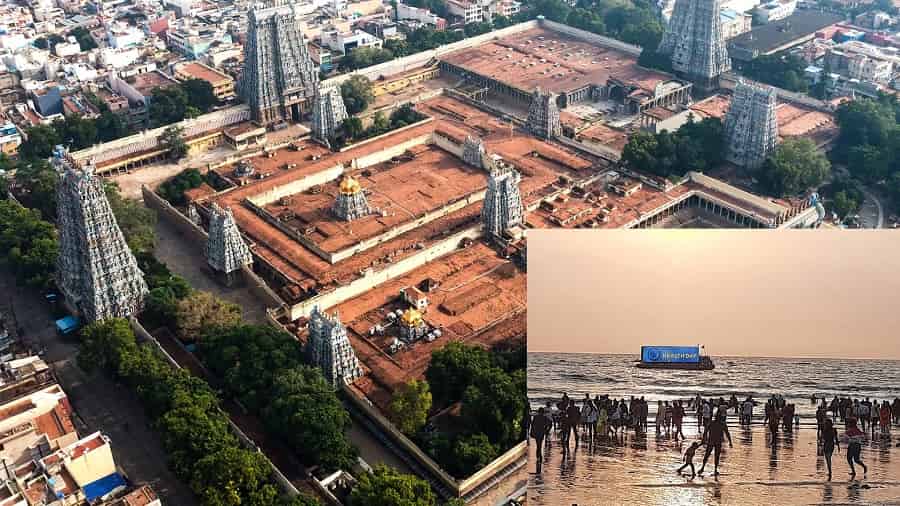
Located in the city of Madurai, Meenakshi Amman temple is a prestigious temple in Madurai. Whereas Juhu beach is one of the most famous beaches in Mumbai. The temple witnesses around 15000 people on any given day and the number rises significantly on any religious occasion. Even though, Juhu is one of the popular beaches due to the Bollywood connection; it still receives only a few hundred visitors every day. This simply shows that people are much more eager to visit temples even if they have to travel a lot for the same whereas beaches are favoured by a specific population which constitutes a tiny percentage of the entire populace.


 Call
Call WhatsApp
 Enquiry