
Ujjain is one of India’s most sacred pilgrimage cities, located on the banks of River Shipra in Madhya Pradesh. Known in ancient times as Avantikapuri or Avanti, it was the capital of the Avanti kingdom and one of the seven sacred cities (Sapta Puri) in Hinduism. Ujjain is among the four holy cities of India that hosts the Kumbh Mela — here called Simhastha Kumbh — making it a site of extraordinary spiritual significance.
The city’s greatest draw is the Mahakaleshwar Jyotirlinga — one of the 12 most sacred Shiva shrines in India. Millions of devotees visit every year to attend the early morning Bhasma Aarti, experience the Mahakal Lok corridor, and seek blessings at this powerful temple. Beyond Mahakaleshwar, Ujjain has ancient temples, historical monuments, Ghats on the Shipra, and a cultural heritage that stretches back over 3,000 years.
Tourists visiting Ujjain will also find historical places such as the Kaliadeh Palace, Bhartrihari Caves, and Vikram Kirti Mandir museum. Ujjain is accessible from major cities through Indore airport and the well-connected Ujjain Junction railway station. The best time to visit is October to March when the climate is pleasant.
Ujjain 2026 — At a Glance
- Location: Madhya Pradesh, Shipra River ke kinare
- Famous For: Mahakaleshwar Jyotirlinga, Simhastha Kumbh Mela, prachin mandir
- Must-Do: Mahakaleshwar ki Bhasma Aarti (4:00 AM)
- Booking: 15 din pehle mahakaleshwar.nic.in par
- VIP Darshan: ₹250 | Garbha Griha Darshan: ₹750
- Nearest Airport: Indore (55 km)
- Nearest Railway Station: Ujjain Junction
- Best Time: October–March
- Next Simhastha Kumbh Mela: 2028
Tourist Attractions in Ujjain
Mahakaleshwar Temple
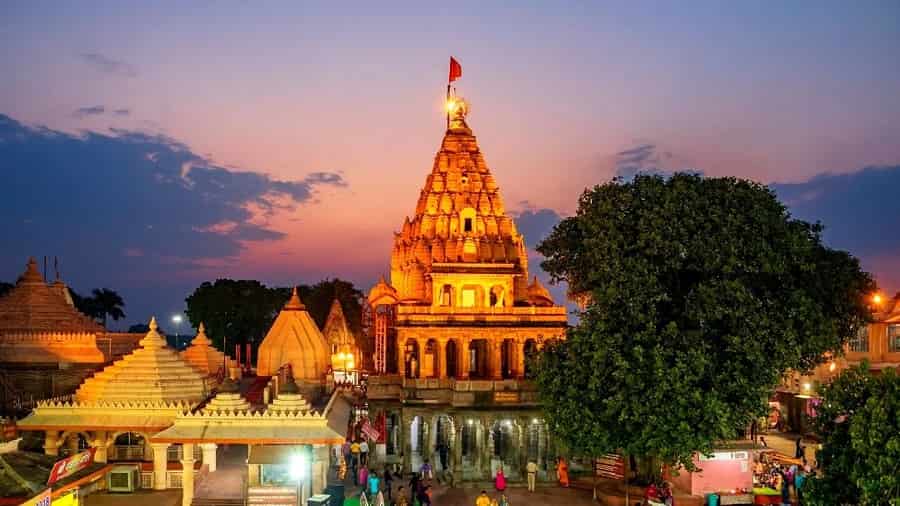
Mahakaleshwar Temple is the most important attraction in Ujjain and one of the most revered temples in India. It is one of the 12 Jyotirlingas — the most sacred shrines of Lord Shiva — and the only south-facing (Dakshinamurti) Jyotirlinga among all twelve. The temple is located near Rudra Sagar Lake and is believed to be Swayambhu — the deity is self-manifested, deriving power from within itself.
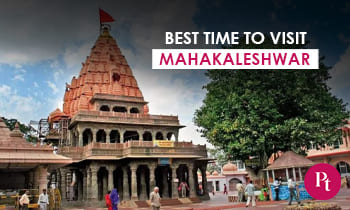
The five-storey temple structure combines Rajput and Mughal architectural elements — marble, colonnades, and ornately carved walls. Inside the temple are idols of Lord Ganesh, Parvati, Kartikeya, and Nandi. The idol of Lord Nagchandreshwar on the third floor is open for Darshan only on the auspicious day of Nag Panchami once a year — one of the temple’s most distinctive features.
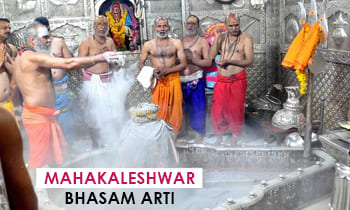
The most famous and spiritually charged ritual at Mahakaleshwar is the Bhasma Aarti — a pre-dawn ceremony performed at 4:00 AM where Lord Mahakal is anointed with sacred ash (Bhasma) to the chanting of Vedic hymns. This ritual is unique to Mahakaleshwar and is considered one of the most powerful religious experiences in India. Attendance requires advance booking.
| Detail | Information |
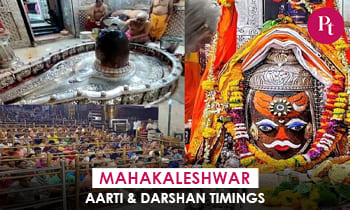
| Temple timings | 4:00 AM – 11:00 PM (with breaks for aartis) |
| Bhasma Aarti | 4:00 AM daily | Separate advance booking required |
| Bhasma Aarti booking | Online at mahakaleshwar.nic.in | Slots open 15 days in advance | Fills within minutes |
| VIP (Sheeghra) Darshan | ₹250 per person | Fast-track entry | Enter via Gate 4 (Mahakal Lok side) |
| Garbha Griha Darshan | ₹750 | Closer proximity to the Shivalinga in the inner sanctum |
| Bhasma Aarti cost | ₹1,500–₹3,000 depending on mandapam (inner/outer) |
| General Darshan | Free | Entry via main queues |
| Dress code | Men: dhoti or full pants + shirt | Women: saree or salwar suit with dupatta | No jeans, shorts, sleeveless |
| Peak days | Mondays, Shravan month, Mahashivratri — very long queues |
| Booking Tips 2026: Regular Bhasma Aarti slots open 30 days in advance at mahakaleshwar.nic.in and sell out within minutes. A Tatkal quota opens 1 day before at 10:00 AM for last-minute pilgrims. Set a reminder and book the moment slots open. Arrive at Gate 4 by 3:00 AM for the 4:00 AM Bhasma Aarti. VIP Sheeghra Darshan (₹250) is best booked 2–3 days in advance, especially on weekdays before 10 AM or between 4–6 PM. Avoid 11 AM–1 PM (Bhog Aarti) and 7–8 PM (Sandhya Aarti) when temple is closed for VIPs too. |
- Suggested Tour: Book Ujjain Holiday Packages
Mahakal Lok Corridor
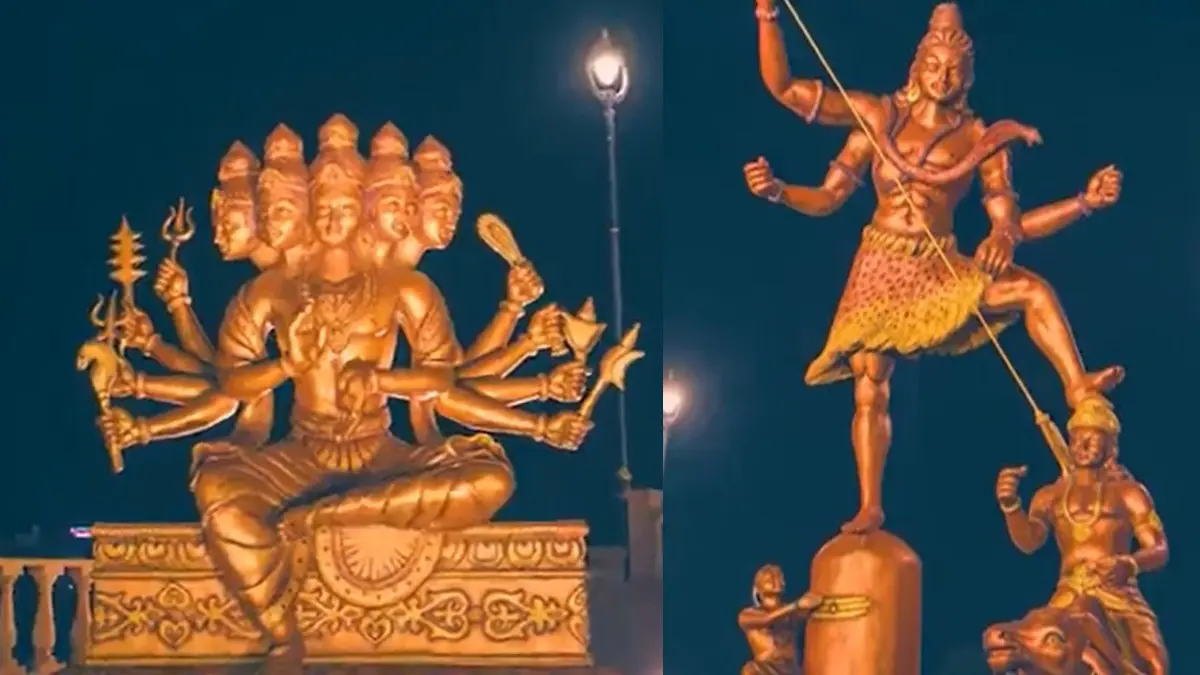
The Mahakal Lok corridor is the most significant new addition to Ujjain in recent years, inaugurated in October 2022. Stretching over 900 metres from Rudra Sagar Lake to the Mahakaleshwar temple entrance, the corridor is one of India’s largest religious corridor projects, comparable in scale to the Kashi Vishwanath Corridor in Varanasi. It features 108 sculpted pillars depicting stories from Shiva Purana, 50+ murals depicting stories from the Shiva Purana, and 108 large statues of Lord Shiva and other deities.
Walking through Mahakal Lok in the evening — especially on Mondays and during Shravan — with the illuminated sculptures and the sound of devotional music creates an atmosphere unlike anywhere else in India. Even non-pilgrims find the corridor architecturally and culturally remarkable. Entry to Mahakal Lok is free.
- Length: ~900 metres | Entry: Free
- Best time to visit: Evening (7–9 PM) when the lighting is spectacular
- 108 sculpted pillars | 108 large statues of Lord Shiva and other deities | 50+ Shiva Purana murals
Gopal Mandir
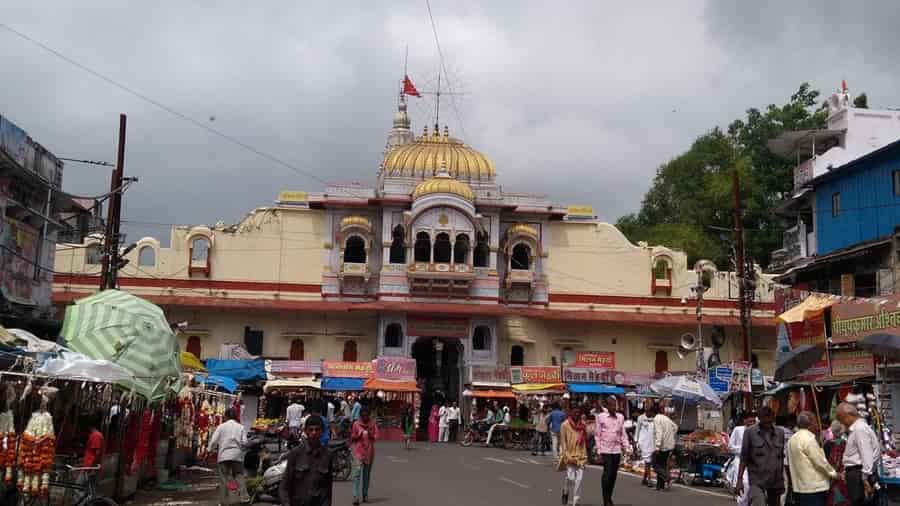
The Gopal Mandir was built by the Scindias and is largely influenced by Maratha architecture. This marble temple is dedicated to Lord Krishna (Gopal). According to historical accounts and temple tradition, the silver-plated doors were taken from the Somnath Temple in Gujarat by Mahmud Ghazni, then taken to Afghanistan and later to Lahore, before being reclaimed by Mahadji Scindia in the 19th century and installed here — a journey spanning centuries and continents. The temple is one of the most beautiful in Ujjain and a major draw for devotees of Lord Krishna.
Kal Bhairav Temple
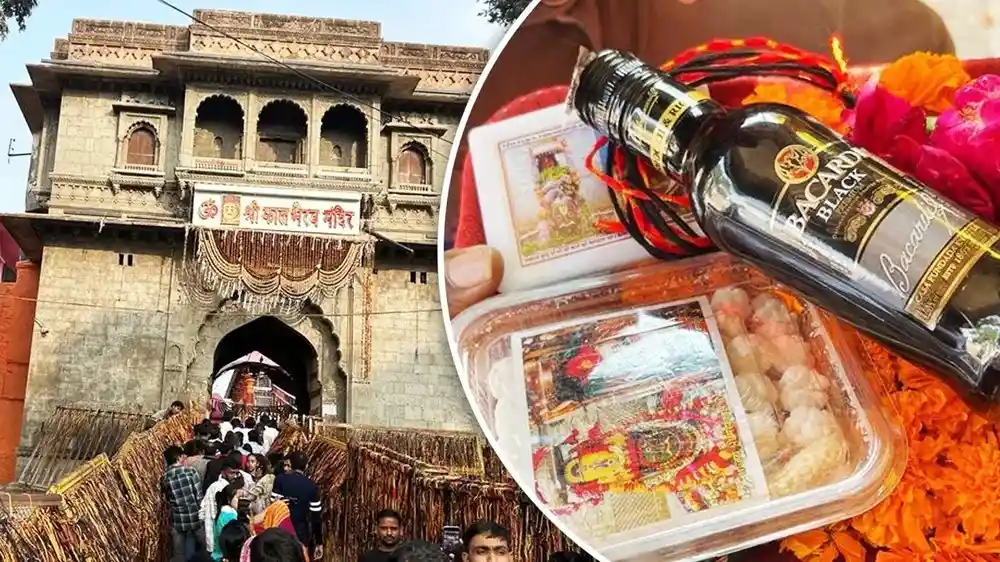
Kal Bhairav Temple is one of the most distinctive temples in India. Dedicated to Kal Bhairav — the fierce form of Lord Shiva who is the protector and ruler of Ujjain — the temple has a remarkable tradition: the deity is offered and said to consume liquor (Madhupaan) as prasad. Devotees bring sealed bottles of wine, whisky, or beer, pour it into a cup before the idol, and the liquid is believed to disappear. This is not theatrical — it is a widely witnessed phenomenon that draws visitors from across India who come specifically to see it.
- Timings: 6:00 AM – 11:00 PM
- Unique offering: Liquor is offered and accepted as prasad by the deity
- Also known as: Kotwal (Police Chief) of Ujjain in Hindu tradition
Bhartrihari Caves
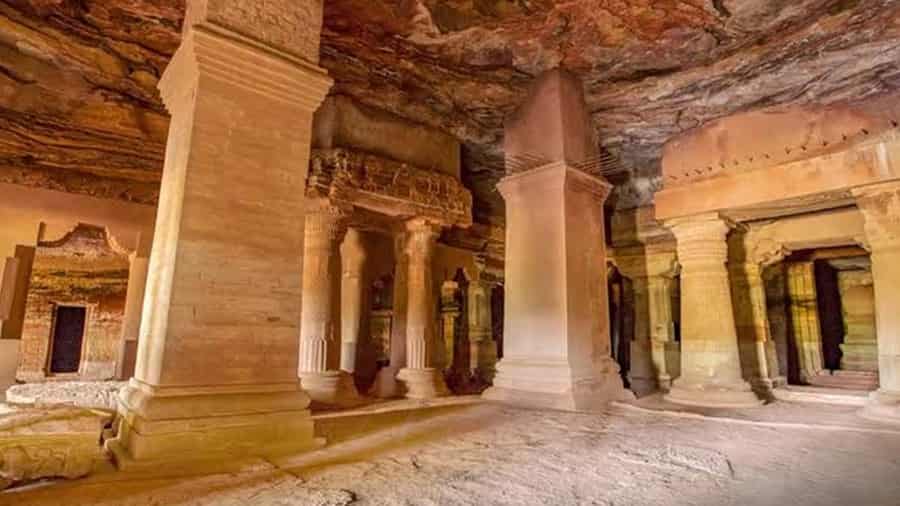
Bhartrihari Caves are located near the Shipra River, close to the famous Gadkalika Temple. The caves are named after the legendary Sanskrit poet and scholar Bhartrihari — author of the Shatakatraya (Shringar Shatak, Vairagya Shatak, and Nitishatak). According to legend, Bhartrihari abandoned his kingdom and his beloved queen after being disillusioned with worldly life and chose to live in these caves as an ascetic, dedicating himself to spiritual practice and writing.
Inside the caves is a temple used by the Nath community for worship. Thousands of devotees visit to pay respects to the sage. The nearby Shipra River adds natural beauty to the setting. Pilgrims who perform rituals here while sitting around sacred fires do so in the tradition that Bhartrihari himself established.
Harsiddhi Temple
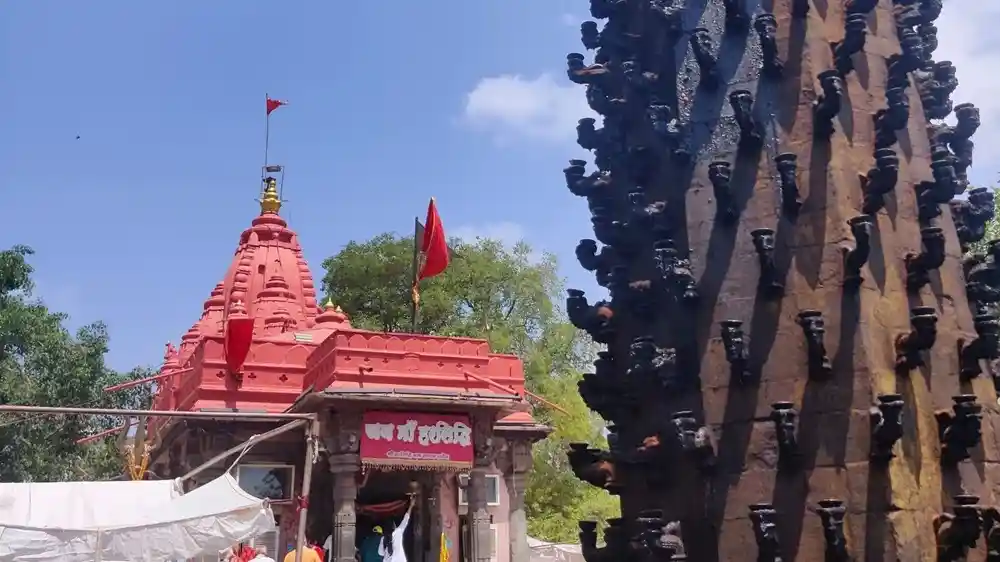
Harsiddhi Temple is one of the 51 Shakti Peethas — the most sacred shrines of the Divine Mother in Hinduism. Located near the Rudra Sagar in Ujjain, the temple is dedicated to Goddess Harsiddhi, who is worshipped here as an avatar of Goddess Annapurna and Mahalakshmi. According to the Shiva Purana, the elbow of Goddess Sati fell at this spot when Lord Shiva was carrying her body after her self-immolation — making it one of the most powerful Shakti shrines in central India.
The temple is particularly famous for its two large oil lamp pillars (deep-malas) — tall metal structures holding hundreds of earthen diyas. When lit simultaneously on auspicious occasions, they create a striking visual spectacle. The Navratri celebration here is one of the most vibrant in Ujjain, drawing lakhs of devotees. The temple is a short distance from Mahakaleshwar and usually included in the Ujjain temple circuit.
- Timings: 6:00 AM – 11:00 PM | Entry: Free
- Shakti Peetha where Sati’s elbow fell | Famous for oil lamp pillars (deep-mala)
- Must-visit during Navratri | 5-minute walk from Mahakaleshwar Temple area
Gadkalika Temple
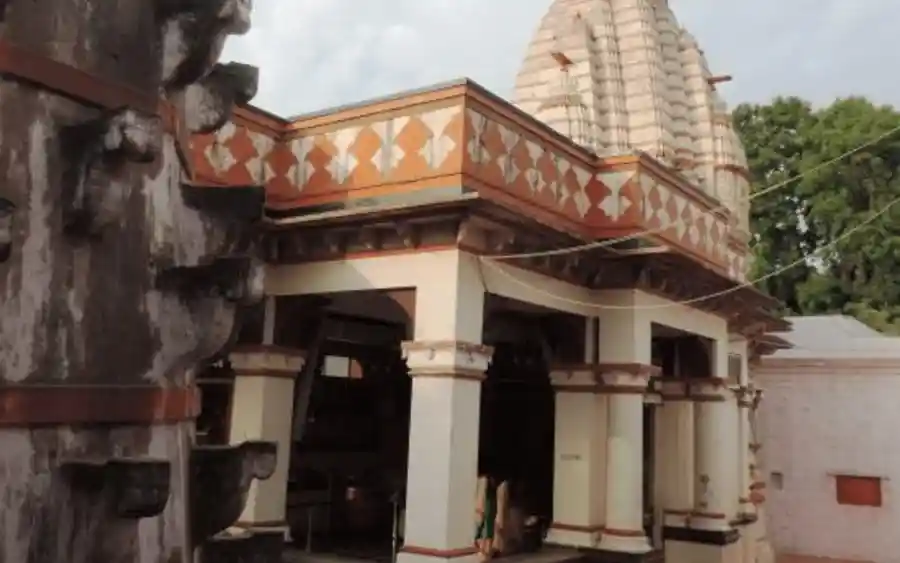
Gadkalika Temple is one of the oldest shrines in Ujjain, dedicated to Goddess Kalika (a fierce form of the Divine Mother). According to legend, the great Sanskrit poet Kalidasa — considered the Shakespeare of Sanskrit literature — was a devoted worshipper of Goddess Gadkalika. The story goes that after being humiliated by his wife, Kalidasa worshipped here with such devotion that the goddess granted him extraordinary poetic talent and wisdom, transforming him into the greatest Sanskrit poet of his age.
- Timings: 7:00 AM – 9:00 PM | Entry: Free
- Kalidasa connection: the poet is said to have received his blessing of wisdom here
- Location: Near Shipra River, close to Bhartrihari Caves
Historical Places of Ujjain
Kaliadeh Palace
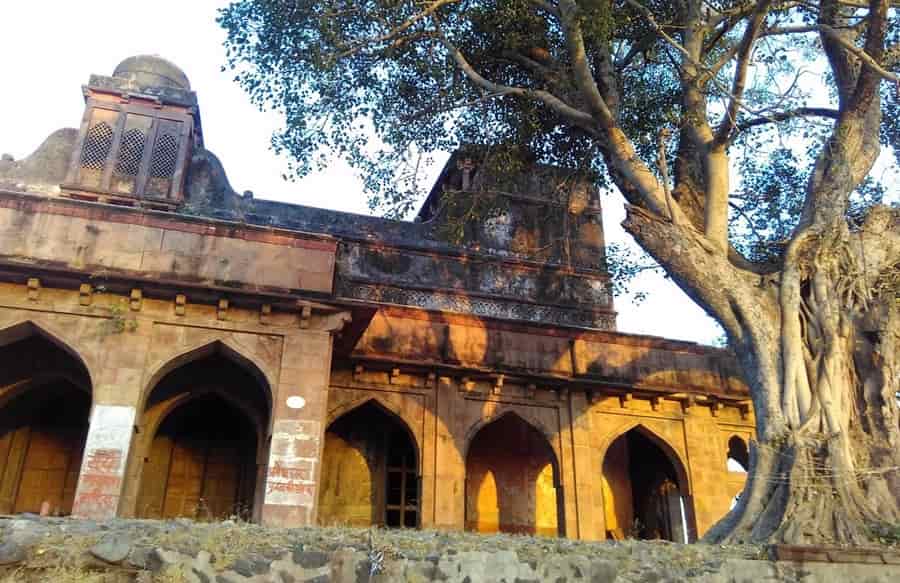
Kaliadeh Palace was built in 1458 AD by the Sultan of Mandu. This old monument stands on an island in the River Shipra. The palace was demolished during the time of the Pindaris but was later restored by Madhav Rao Scindia in 1920. Inside the palace is a tank called Surya Kund — of great religious importance to local people, who take a holy dip here while seeking spiritual merit. The palace’s Persian architectural design and close-by inscription recording the visits of Akbar and Jehangir are among its notable features.
Vedh Shala (Jantar Mantar Observatory)
The Vedh Shala — also known as the Ujjain Observatory or Jantar Mantar — is one of five astronomical observatories built by Maharaja Sawai Jai Singh II in the early 18th century (the others are in Delhi, Jaipur, Varanasi, and Mathura). Ujjain’s observatory holds special significance because the city sits on the prime meridian in ancient Indian astronomy — the Tropic of Cancer (Karka Rekha) passes through Ujjain, and it was historically considered the zero meridian of Indian geographers. The observatory houses instruments for measuring time, tracking solar positions, and predicting eclipses.
Vikram Kirti Mandir
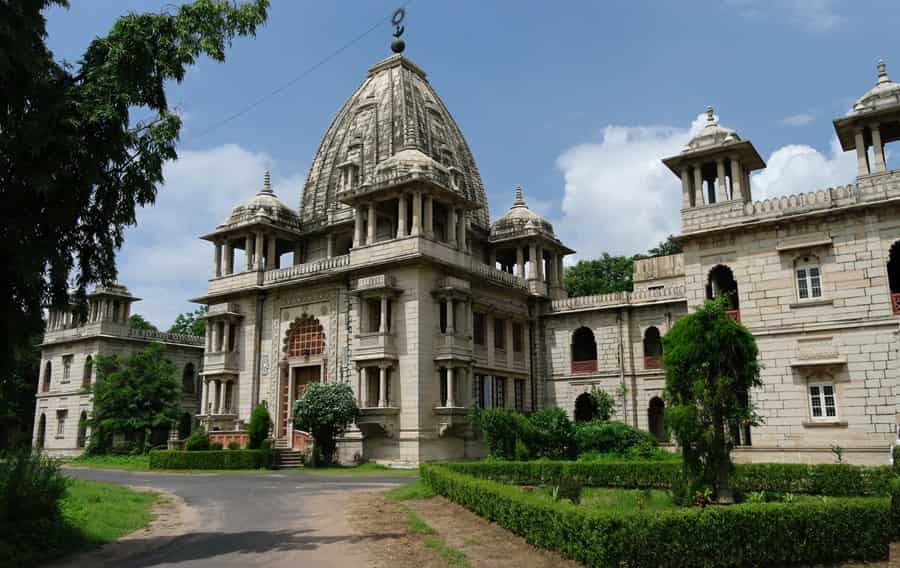
The Vikram Kirti Mandir was established in 1965 to collect and display historical items and artifacts related to Ujjain’s rich past. The museum houses coins, images, manuscripts, ancient textiles, weapons, and utensils. The research institute in the complex displays paintings in Rajput and Mughal styles. The museum is dedicated to the legendary king Vikramaditya — the patron of arts and scholars whose court included the Navaratnas (nine gems), including the great poet Kalidasa.
Chintaman Ganesh Temple
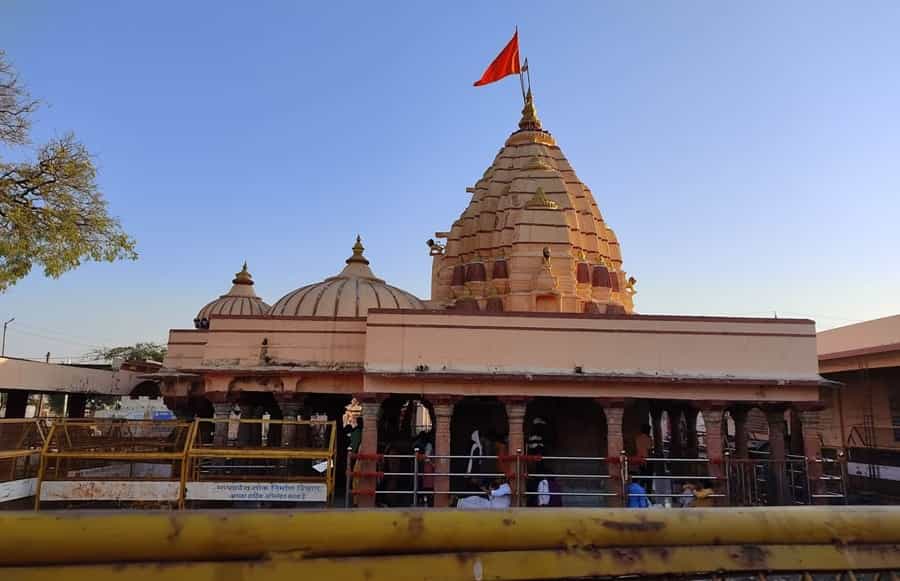
Chintaman Ganesh Temple is one of the most ancient and revered Ganesh temples in India. Built between the 11th and 12th centuries during the reign of the Paramara kings of Madhya Pradesh, the temple is dedicated to Lord Ganesha as ‘Chintaman’ — the remover of worries and tension. The main idol (Garbhagriha) is flanked by the two consorts of Lord Ganesha, Riddhi and Siddhi. There is also an image of Lord Vishnu inside the temple.
The temple’s pre-historic architectural appearance — with intricately carved pillars in the assembly hall — sets it apart from newer temples in the city. Devotees flock here specifically to be relieved of mental burdens. The temple is easily accessible from Indore by bus, taxi, or train along the Ujjain-Fatehabad railway line.
Ram Ghat
Ram Ghat is the most sacred ghat on the Shipra River in Ujjain. The evening aarti at Ram Ghat — performed daily at sunset — is a deeply moving ritual where oil lamps are floated on the river to the chanting of prayers. The ghat is the main bathing site during the Simhastha Kumbh Mela, when millions of pilgrims take a holy dip in the Shipra. Even on regular days, the scene of devotees bathing at dawn, the sound of temple bells from nearby ghats, and the river reflecting the lights of evening aarti is one of the most authentic religious experiences in central India.
Mangalnath Temple
Mangalnath Temple, situated on the banks of the Shipra River, is dedicated to Mars (Mangal Grah) and is believed to be the birthplace of the planet Mars as per Hindu astronomical texts. The temple is particularly significant for those undergoing Mangal Dosha remedies in their horoscope. The position of Ujjain on the Karka Rekha (Tropic of Cancer) and the prime meridian of ancient Indian astronomy makes this temple astronomically significant.
Sandipani Ashram
Sandipani Ashram is where Lord Krishna and his close friend Sudama (Kuchela) received their education from their guru Sandipani Muni. The ashram is one of the few places in India directly connected to Lord Krishna’s youth and education. The ancient stone slab on which Krishna is said to have written the Sanskrit alphabets during his gurukul years is preserved here. The ashram is a short distance from the city centre and is a meaningful stop for devotees of Lord Krishna.
Siddhavat
Siddhavat is a sacred Banyan tree (vat) believed to be thousands of years old, located on the banks of the Shipra River near Ram Ghat. In Hindu tradition, the Banyan tree is associated with immortality and the eternal presence of Lord Shiva. The tree is particularly sacred in the context of ancestral rites (pitru tarpan) — pilgrims perform these rituals here believing it helps liberate their ancestors’ souls. The site is especially significant during Amavasya (new moon days) when it draws thousands of pilgrims performing ancestral offerings.
- Location: Shipra River banks, near Ram Ghat | Entry: Free
- Best visited on Amavasya days for ancestral rites
Travel Tips for Visiting Ujjain
Book Bhasma Aarti online at mahakaleshwar.nic.in. Regular slots open 30 days in advance — log in at 12:00 AM midnight exactly 30 days before your visit date. A Tatkal quota opens 1 day before at 10:00 AM. Slots sell out within minutes on Mondays, Shravan month, and festival days.
For Bhasma Aarti: Reach Gate 4 of Mahakaleshwar Temple by 3:00 AM for the 4:00 AM aarti. Men must wear dhoti; women must wear saree. No jeans or casual wear permitted.
VIP (Sheeghra Darshan) at ₹250 is recommended for first-time visitors and those with limited time. It offers fast-track entry but does not include Garbha Griha access (₹750 extra for that).
Beware of touts near Gate 1 who sell fake passes for ₹1,000–5,000. Always book only at mahakaleshwar.nic.in or the official counter inside the temple complex.
Mondays and Shravan Mondays see the highest crowds. If you want a peaceful darshan, visit Tuesday–Thursday in the early morning (6–8 AM).
The Mahakal Lok corridor is best experienced in the evening (7–9 PM) when illuminated.
Mobile phones: Allowed in the Mahakal Lok corridor for photography. Must be deposited at security locker before entering the sanctum or Bhasma Aarti hall.
Ujjain is a vegetarian city by tradition. Most hotels and restaurants serve pure vegetarian food — finding non-vegetarian food in the temple area is very difficult.
Keep cash handy — many small shops, dharmshalas, and parking areas near the temple don’t accept UPI/cards during peak festival rush.
Frequently Asked Questions — Ujjain
Q1. What is the best time to visit Ujjain?
October to March is the best time to visit Ujjain. The weather is pleasant (10–25°C), ideal for temple visits and outdoor sightseeing. July–August (Shravan month) is spiritually significant for Mahakaleshwar but comes with heavy crowds, heat, and rain. The next Simhastha Kumbh Mela is in 2028.
Q2. How do I book Bhasma Aarti at Mahakaleshwar Temple?
Book online at mahakaleshwar.nic.in. Regular slots open 30 days before your visit date and fill within minutes for popular days. A Tatkal option opens 1 day before at 10:00 AM if you cannot plan in advance. You need a valid photo ID (Aadhaar, PAN, or Voter ID) for booking. The Bhasma Aarti starts at 4:00 AM — arrive at Gate 4 by 3:00 AM. Men must wear dhoti; women must wear saree. Cost: ₹1,500–₹3,000 depending on seating area.
Q3. What is the VIP darshan fee at Mahakaleshwar Temple 2026?
VIP (Sheeghra Darshan) costs ₹250 per person. It provides fast-track entry through a separate queue, typically reducing wait time to 30–60 minutes compared to 4–5 hours in the general queue on busy days. Garbha Griha Darshan (closer to the Shivalinga) costs ₹750 extra. Book at mahakaleshwar.nic.in.
Q4. What is Mahakal Lok in Ujjain?
Mahakal Lok is a ~900-metre corridor linking Rudra Sagar Lake to the Mahakaleshwar Temple, inaugurated in October 2022. It is India’s second-largest religious corridor after Kashi Vishwanath. The corridor features 108 sculpted pillars depicting Shiva Purana stories, 190 murals, and 25 deity statues. Entry is free and it is best visited in the evening when illuminated.
Q5. When is the next Kumbh Mela in Ujjain?
The next Simhastha Kumbh Mela in Ujjain is in 2028. The previous one was in 2016. Ujjain’s Kumbh Mela is called Simhastha because it occurs when Jupiter (Brihaspati) enters Leo (Simha Rashi). It is one of the four sites in India that hosts Kumbh Mela, along with Prayagraj, Haridwar, and Nashik.
Q6. How do I reach Ujjain from Delhi?
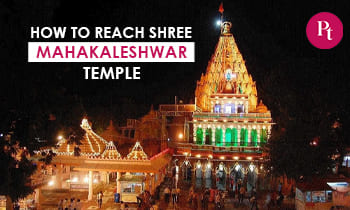
Options: (1) Fly to Indore (IDR) from Delhi (1.5–2 hours), then taxi to Ujjain (~55 km, 1–1.5 hours). (2) Train — Mahakal Express, Avantika Express, or Vikram Express from Delhi directly to Ujjain (12–14 hours overnight). Ujjain Junction is in the city centre and well-connected. (3) Road — Ujjain is ~750 km from Delhi; a long drive best broken into 2 days.
Q7. What are the famous temples to visit in Ujjain besides Mahakaleshwar?
Key temples in Ujjain: Kal Bhairav Temple (deity accepts liquor as prasad), Gopal Mandir (marble temple with historic silver doors), Chintaman Ganesh Temple (11th-12th century, remover of worries), Mangalnath Temple (birthplace of Mars in Hindu astronomy), Sandipani Ashram (where Lord Krishna received his education), and Harsidhi Temple (one of the 51 Shakti Peethas). Ram Ghat on the Shipra River for the evening aarti is also a must.


 Call
Call WhatsApp
 Enquiry