
Parli Vaijnath Temple, dedicated to Lord Vaidyanath (Shiva), is one of the twelve Jyotirlingas in India, making it a significant pilgrimage site for devotees. Situated in the Beed district of Maharashtra, this temple is not only revered for its religious importance but also for its architectural beauty and serene surroundings. To plan a visit to Parli Vaijnath Temple and truly enjoy the experience, it’s essential to consider the weather, temperature, and the best season to visit. In this comprehensive guide, we will explore the different seasons, weather conditions, and temperatures to help you decide the best time to embark on your spiritual journey to Parli Vaijnath Temple.
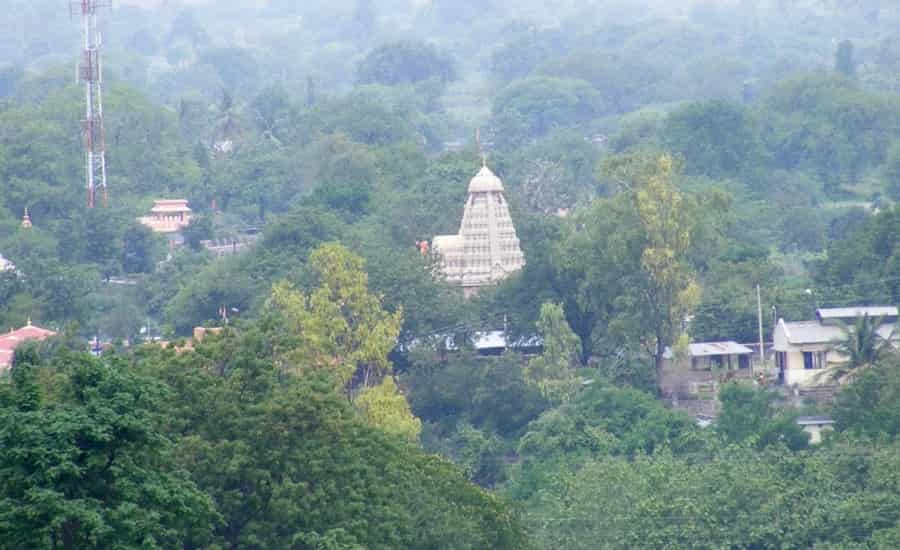
Seasons in Parli Vaijnath
Parli Vaijnath experiences three primary seasons – summer, monsoon, and winter. Each season offers a unique atmosphere and has its own charm. Let’s delve into each season to understand the weather, temperature, and the overall experience it offers to visitors.
Summer (March to June)
Summer in Parli Vaijnath begins in March and continues through June. This season can be challenging due to the scorching heat, and the temperatures can often soar. The average daytime temperature during these months ranges from 30°C to 40°C, and it can occasionally exceed 40°C. The nights are relatively cooler, but it’s still warm, with temperatures ranging between 20°C to 25°C.
The scorching summer heat can be uncomfortable for outdoor activities and temple visits, and the hot and dry conditions can be draining for pilgrims. If you choose to visit during this time, it’s advisable to plan your temple visits early in the morning or later in the evening when the temperatures are relatively cooler. Make sure to stay hydrated and wear sunscreen to protect yourself from the harsh sun.
Monsoon (July to September)
The monsoon season in Parli Vaijnath begins in July and continues through September. During this period, the region experiences moderate to heavy rainfall, which brings relief from the scorching heat of summer. The temperature in monsoon hovers between 25°C to 30°C during the day, while nights are cooler, with temperatures ranging from 20°C to 25°C.
The monsoon season can be an enchanting time to visit the Parli Vaijnath Temple and its surroundings. The lush green landscape, rejuvenated rivers, and the sound of raindrops create a serene atmosphere. However, it’s important to note that heavy rainfall can lead to waterlogging and landslides, making travel to the temple more challenging. Be prepared for rain by carrying appropriate rain gear and check the local weather forecasts before your visit.
Winter (October to February)
Winter is arguably the best time to visit Parli Vaijnath Temple, both in terms of weather and overall experience. This season begins in October and extends through February. The daytime temperature during winter ranges from 20°C to 30°C, while nights can get chilly, with temperatures dropping to 10°C to 15°C. It’s essential to carry warm clothing, especially if you plan to visit the temple early in the morning or in the evening.
The cool and pleasant weather in winter provides a comfortable environment for exploring the temple and its surroundings. Pilgrims can enjoy their visit without worrying about extreme temperatures or heavy rainfall. The serene atmosphere, clear skies, and the festival season, including Mahashivratri, make winter an ideal time to seek blessings at Parli Vaijnath Temple.
Best Time to Visit Parli Vaijnath Temple
Considering the weather, temperature, and overall experience, the best time to visit Parli Vaijnath Temple is during the winter season, from October to February. Here are some compelling reasons why you should plan your pilgrimage during this time:
- Pleasant Weather: Winter in Parli Vaijnath offers mild and comfortable weather conditions. You can explore the temple and its surroundings without worrying about extreme temperatures or heavy rainfall. The cool temperatures provide an ideal backdrop for a peaceful and spiritual experience.
- Festival Celebrations: The winter season is marked by the celebration of Mahashivratri, an auspicious day for Lord Shiva’s devotees. The temple comes alive with festivities and special rituals during this time. It’s a unique opportunity to witness the rich cultural and religious traditions of the region.
- Serene Atmosphere: The tranquil surroundings of Parli Vaijnath Temple are enhanced during the winter season. The clear skies and cool climate create a serene atmosphere that allows visitors to connect with their spirituality and enjoy the natural beauty of the area.
- Avoid Extreme Weather: Winter allows you to avoid the scorching heat of summer and the challenges posed by heavy monsoon rainfall. It ensures a more comfortable and hassle-free pilgrimage experience.
While winter is the best time to visit, if you can’t plan your trip during these months, you can still visit Parli Vaijnath Temple during the monsoon season with adequate preparation. However, it’s advisable to avoid the scorching summer months due to the extreme heat.
- Also Read: History of Parli Vaijnath Temple
Conclusion
Parli Vaijnath Temple is a sacred destination that attracts devotees from all over India. To make the most of your pilgrimage experience, it’s crucial to choose the right time to visit. Considering the weather, temperature, and seasons, winter, from October to February, emerges as the best time to seek blessings at this Jyotirlinga. The pleasant climate, festival celebrations, and serene atmosphere make it an ideal period for a spiritual journey to Parli Vaijnath Temple. However, if your schedule does not permit a winter visit, with proper preparation, you can also explore this divine destination during the monsoon season.
- Suggested Tour: 5 Jyotirlinga Tour of Maharashtra


 Call
Call WhatsApp
 Enquiry