
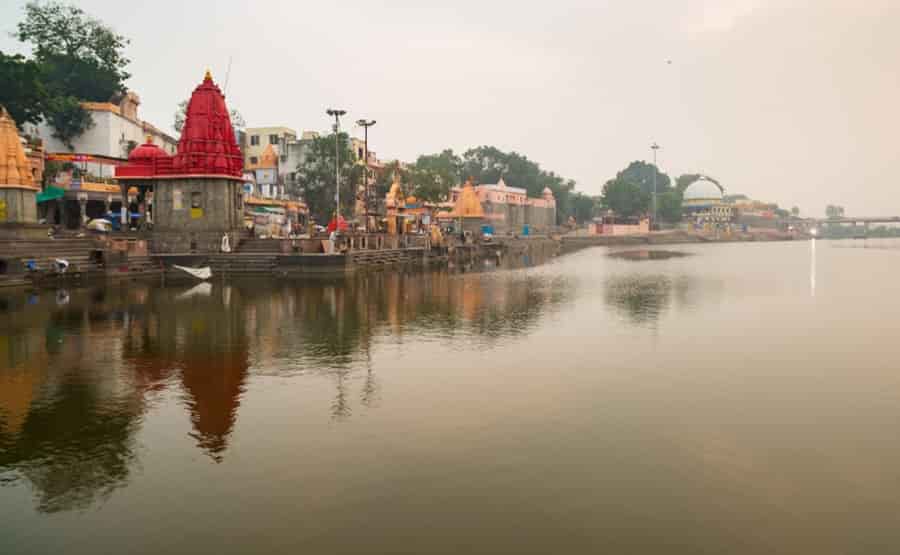
The Mahabaleshwar Temple, also known as the Mahabaleshwar Mandir, is a famous Hindu temple dedicated to Lord Shiva. It is located in the hill station of Mahabaleshwar in the state of Maharashtra, India. The temple can be visited throughout the year, but the best time to visit depends on your preferences and what you want to experience.
Best Time to Visit
Monsoon Season (June to September): This is the time when the region experiences heavy rainfall. The surrounding landscapes become lush green, and the air is cool and refreshing. However, trekking and outdoor activities may be limited due to rain. If you enjoy the scenic beauty of monsoon and a quieter atmosphere, this might be a good time to visit.
Post-Monsoon (October to November): After the monsoon, the weather begins to clear up, and the lush landscapes are still quite vibrant. This period offers pleasant weather for sightseeing and outdoor activities. It’s a good time to avoid the crowds that come during the peak season.
Winter (December to February): Winter in Mahabaleshwar is cool and dry, with temperatures dropping at night. This is the peak tourist season, and many visitors come here to enjoy the pleasant weather and clear skies. It’s an excellent time for temple visits and outdoor activities.
Pre-Summer (March to May): The pre-summer months are warm, but not excessively hot. The weather is comfortable for exploring the temple and the surrounding areas. March to May is also the strawberry season, and you can enjoy fresh strawberries at the local farms.
Weather by Month
January
- Weather: January in Ujjain marks the winter season, with temperatures ranging from 7°C to 25°C (45°F to 77°F). It is a pleasant and cool time to visit, although the nights can be quite chilly.
Festivals: The Makar Sankranti festival, usually celebrated on January 14th, is a significant event. Devotees take holy dips in the Shipra River during this time.
February
- Weather: February continues the cool and comfortable weather, with temperatures ranging from 9°C to 28°C (48°F to 82°F). It’s an excellent time for temple visits and outdoor exploration.
Festivals: The Magh Purnima Snan is celebrated in February, drawing large crowds for ritual bathing in the Shipra River.
March
- Weather: March marks the onset of spring in Ujjain, with temperatures ranging from 15°C to 34°C (59°F to 93°F). The weather is mild and pleasant, making it an ideal time for sightseeing.
- Festivals: Holi, the festival of colors, is celebrated in March with enthusiasm and joy.
April
- Weather: April brings warmer temperatures to Ujjain, with a range of 20°C to 39°C (68°F to 102°F). It can start to feel hot during the day, so be prepared for warm weather if you visit this month.
- Festivals: The Navratri festival leading up to Chaitra Navratri is celebrated in April with devotion and cultural events.
May
- Weather: May is the beginning of summer in Ujjain, and temperatures can soar, ranging from 24°C to 43°C (75°F to 109°F). It can be hot and dry, so consider this when planning your visit.
Festivals: Akshaya Tritiya is observed in May, and devotees flock to the temple for special prayers.
June
- Weather: June is part of the scorching summer season in Ujjain, with temperatures ranging from 25°C to 42°C (77°F to 108°F). The weather is hot, and it’s advisable to stay hydrated and take precautions against the heat.
Festivals: Ganga Dussehra, which celebrates the descent of the River Ganga to Earth, is observed in June.
July
- Weather: July brings the monsoon season to Ujjain, with temperatures ranging from 23°C to 34°C (73°F to 93°F). Rainfall is frequent, and the city turns lush and green.
- Festivals: The Guru Purnima festival, dedicated to spiritual teachers, is celebrated in July.
August
- Weather: The monsoon continues in August, with temperatures ranging from 23°C to 33°C (73°F to 91°F). The city remains verdant, and the occasional rains provide relief from the heat.
- Festivals: Nag Panchami, dedicated to the snake god, is observed in August.
September
- Weather: September is a transitional month from the monsoon to post-monsoon period. Temperatures range from 22°C to 32°C (72°F to 90°F). The weather becomes more comfortable as the month progresses.
- Festivals: Ganesh Chaturthi is celebrated with grand processions and fervor in September.
October
- Weather: October marks the beginning of the post-monsoon season, with temperatures ranging from 18°C to 32°C (64°F to 90°F). The weather is pleasant and suitable for outdoor activities.
- Festivals: Navratri and Durga Puja are celebrated with elaborate decorations and cultural events.
November
- Weather: November is a comfortable and cool month to visit, with temperatures ranging from 12°C to 29°C (54°F to 84°F). The weather is ideal for temple visits and sightseeing.
- Festivals: Diwali, the festival of lights, is celebrated in November with great enthusiasm.
December
- Weather: December is the beginning of winter in Ujjain, with temperatures ranging from 7°C to 25°C (45°F to 77°F). It’s a pleasant and cool month to explore the city.
- Festivals: The month ends with the celebration of New Year’s Eve.



Additional Tips
- While the months of May and June can be hot, if you plan to visit during these months, carry sunscreen, hats, and stay hydrated.
- Monsoon months (July and August) can be beautiful, with lush greenery, but also expect occasional heavy rainfall.
- Check for specific festival dates and plan your visit accordingly if you wish to participate in temple festivals and rituals.
- Weekdays generally have fewer crowds compared to weekends, so consider visiting the temple on weekdays for a more peaceful experience.







 Call
Call WhatsApp
 Enquiry
How can we book morning time Bhasham Aarti on line.
It’s complesary that ladies should be wear saree and men Dhoti .