
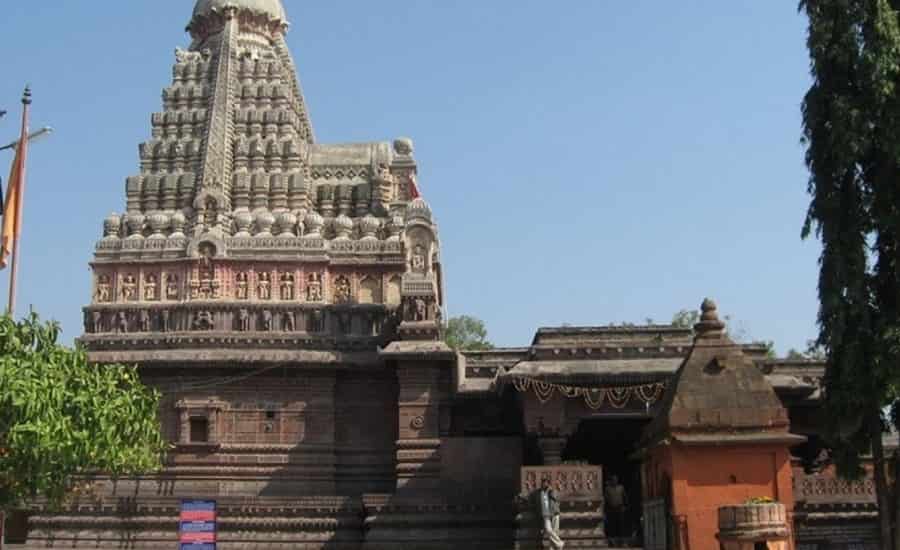
Grishneshwar, a small village located in the Indian state of Maharashtra, is a place of great religious significance for Hindus. It is home to the revered Grishneshwar Jyotirlinga Temple, one of the 12 sacred shrines dedicated to Lord Shiva. Apart from its spiritual importance, Grishneshwar also boasts a serene and picturesque environment that draws both pilgrims and tourists. To make the most of your visit, it’s essential to consider the weather, temperature, and the different seasons of Grishneshwar. In this comprehensive guide, we will discuss the best time to visit Grishneshwar, taking into account various factors that can enhance your experience.
Weather Overview
Grishneshwar experiences a tropical climate, characterized by three distinct seasons: summer, monsoon, and winter. Understanding the weather conditions during each of these seasons is crucial when planning your trip.
Summer (March to June)
Summer in Grishneshwar can be scorching and uncomfortable, with temperatures soaring to as high as 40°C (104°F) or more. This season typically begins in March and continues until June. The sun beats down mercilessly, making outdoor activities challenging. However, this time can still be suitable for devotees who want to visit the temple, as it is open year-round. If you plan to visit during this season, it’s advisable to do so in the early morning or late evening when temperatures are more bearable.
Monsoon (July to September)
The monsoon season in Grishneshwar, which occurs from July to September, offers relief from the scorching heat of summer. The region receives moderate to heavy rainfall during this time, revitalizing the landscape and bringing a pleasant coolness to the atmosphere. The lush greenery and blooming flowers make this season aesthetically appealing. However, be prepared for occasional rain showers, and roads can become slippery and difficult to navigate. It’s a great time for nature enthusiasts who enjoy the rejuvenating beauty of rain-soaked Grishneshwar.
Winter (October to February)
Winter is the most popular and arguably the best time to visit Grishneshwar. It starts in October and continues until February. During this season, the weather is mild, and temperatures range between 15°C to 30°C (59°F to 86°F), making it pleasant for outdoor activities and temple visits. The cool, crisp air is ideal for sightseeing, and the environment is generally dry and comfortable.
Best Time to Visit for Devotees
For devotees planning to visit the Grishneshwar Temple, the temple remains open throughout the year, offering an opportunity to seek the blessings of Lord Shiva at any time. However, due to the sweltering summer heat, it is advisable to visit during the winter or early spring months. The pleasant weather during this period ensures a more comfortable pilgrimage experience.
Best Time for Sightseeing
If you’re interested in exploring the scenic beauty and cultural attractions of Grishneshwar, the winter season from October to February is the best time. The clear skies and cool weather make it enjoyable to visit nearby places of interest, such as Ellora Caves and Daulatabad Fort. The natural surroundings are at their most appealing during this time.
Monsoon: A Unique Experience
The monsoon season in Grishneshwar, from July to September, offers a unique experience for those who enjoy the lush green landscapes and a sense of tranquility that comes with the rain. However, be prepared for unpredictable weather and occasional disruptions in outdoor plans.
Special Festivals and Events
Grishneshwar hosts several festivals and events throughout the year. If you want to experience the local culture and traditions, plan your visit accordingly:
Mahashivratri (February/March): Mahashivratri, dedicated to Lord Shiva, is celebrated with great enthusiasm at the Grishneshwar Temple. Devotees from all over the country visit during this time, making it a vibrant and spiritually significant period to be in Grishneshwar.
Diwali (October/November): The festival of lights, Diwali, is celebrated with fervor in Grishneshwar. The temple and the entire village are beautifully decorated with lamps and candles. It’s a great time to witness the cultural celebrations.
Other Hindu Festivals: Various Hindu festivals, such as Holi, Ganesh Chaturthi, and Navratri, are celebrated with enthusiasm in Grishneshwar. Depending on your preferences, you can plan your visit to coincide with these celebrations.
Accommodation and Travel Tips
When visiting Grishneshwar, it’s advisable to book your accommodation well in advance, especially during the peak tourist season (winter). The village offers a range of accommodation options, including hotels, guesthouses, and lodges, catering to various budgets.
Suggested to Read:
- History Of Grishneshwar Temple
- Grishneshwar Temple Timings and Rituals
- How To Reach Grishneshwar Temple
Here are some additional travel tips
- Dress Modestly: When visiting religious sites like the Grishneshwar Temple, it’s important to dress modestly, covering your shoulders and knees. This shows respect for the local customs and religious sentiments.
- Stay Hydrated: If you visit during the summer months, carry sufficient water to stay hydrated, as the heat can be quite intense.
- Plan Your Itinerary: Make a detailed itinerary to cover all the places you want to visit. Grishneshwar is not just about the temple; there are nearby attractions like Ellora Caves and Daulatabad Fort.
- Hire a Local Guide: To enhance your understanding of the historical and cultural significance of the region, consider hiring a local guide.
- Respect Local Customs: Grishneshwar is a place of religious importance, so always be respectful and considerate of local customs and traditions.
Conclusion
The best time to visit Grishneshwar depends on your preferences and interests. For a comfortable pilgrimage and an enjoyable sightseeing experience, winter is the ideal season. The monsoon season offers a unique perspective on the region’s natural beauty, while summer is best avoided due to the scorching heat. Whatever time you choose to visit, Grishneshwar promises a rich blend of spirituality, culture, and natural splendor that will leave a lasting impression on your heart and soul.
- Suggested Tour: Maharashtra Jyotirlinga Tour Package


 Call
Call WhatsApp
 Enquiry